Beach Hacks That Actually Work in Myrtle Beach (And a Few That Don't)
The internet is full of beach hacks. Most were written by someone who's never dealt with a 20 mph onshore wind at Apache Pier. We tested them against what actually happens on the Grand Strand — here's what works, what doesn't, and a few things specific to our beach nobody else is telling you.
Category: tips | Published: 2026-08-10
Beach Hacks That Actually Work in Myrtle Beach (And a Few That Don't)
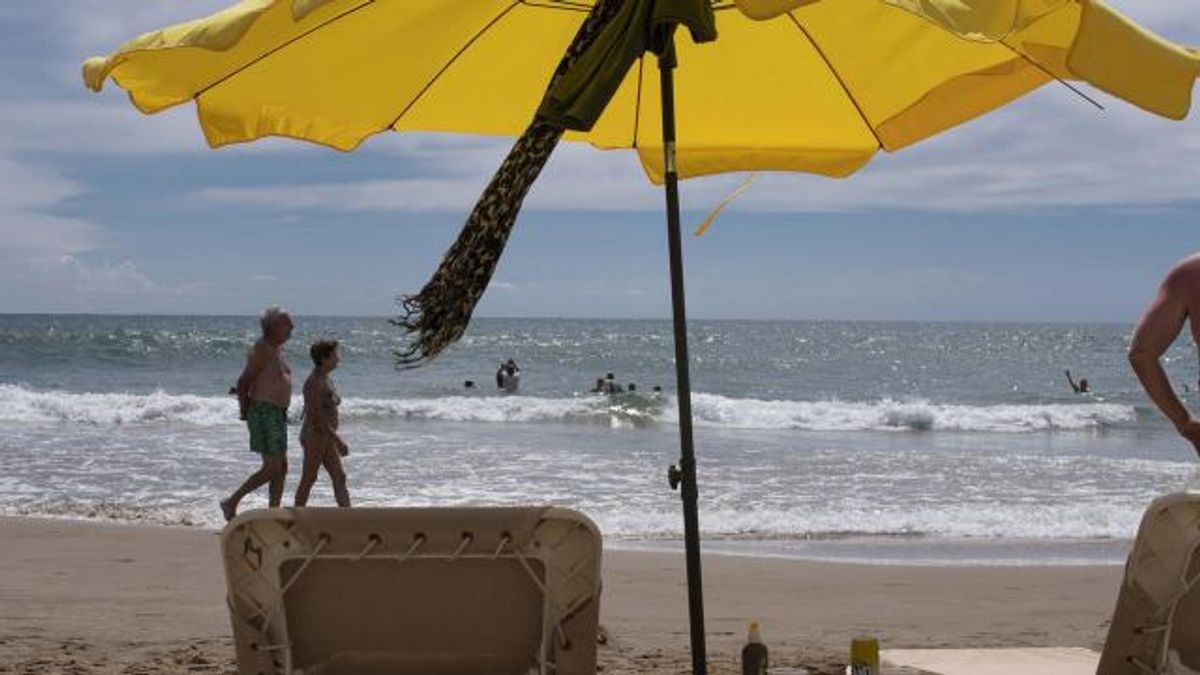
The internet is full of beach hacks. Most of them were written by someone who's never dealt with a 20 mph onshore wind at Apache Pier or tried to find parking within a quarter mile of the sand at 11 a.m. on a Saturday in July.
We pulled together the hacks that show up again and again across beach-parent blogs and tested them against what actually happens on the Grand Strand. Here's what's worth packing, what's a waste of bag space, and a few things that are specific to our beach that nobody else is telling you.
What Works
Cornstarch or baby powder for sand removal. This is the one hack every single beach blog agrees on, and it's not hype. Sand sticks to skin because of moisture — sprinkle a little powder on wet, sandy feet or legs, rub it in, and the sand brushes off almost completely dry. Keep a small travel bottle in your beach bag. This alone will save your car floor mats.
The flipped fitted sheet. Skip the flat towel as your base. Flip a fitted sheet upside down and anchor the four corners with your cooler, bag, and shoes. The elastic edges curl up just enough to keep blown sand from creeping onto your towel, snacks, and phone. It's basically a pop-up sand fence for the price of a bedsheet you already own.
Frozen water bottles instead of ice. Freeze a few water bottles the night before and toss them in the cooler with your drinks. They keep everything cold without turning into a puddle of ice-melt at the bottom of your cooler, and by early afternoon you've got cold water to drink. Simple, and it does two jobs instead of one.
Two-towel system. One towel to sit on, a separate one for shoes, bags, and toys. It sounds fussy, but it genuinely cuts down on how much sand migrates into the spot you're actually relaxing in.
Arrival bag vs. later bag. Pack a small separate bag with just what you need in the first five minutes — sunscreen, water, a hat, something for shade — so you're not digging through a fully packed beach bag while standing in the sun with your hands full. Everything else stays zipped until you're set up.
The mesh bag for sandy toys. Toss shovels, buckets, and swim toys in a mesh bag instead of a solid one. The sand filters right out as you walk, so you're not hauling a pound of grit back to the car or washing it out of a tote later.
A dedicated wet bag for swimsuits. Clip a little waterproof wet/dry bag to your main bag and stuff damp suits and towels in it at the end of the day. It keeps the rest of your bag and your car from smelling like old ocean water, and nothing else in the car gets damp.
What Doesn't Hold Up Here
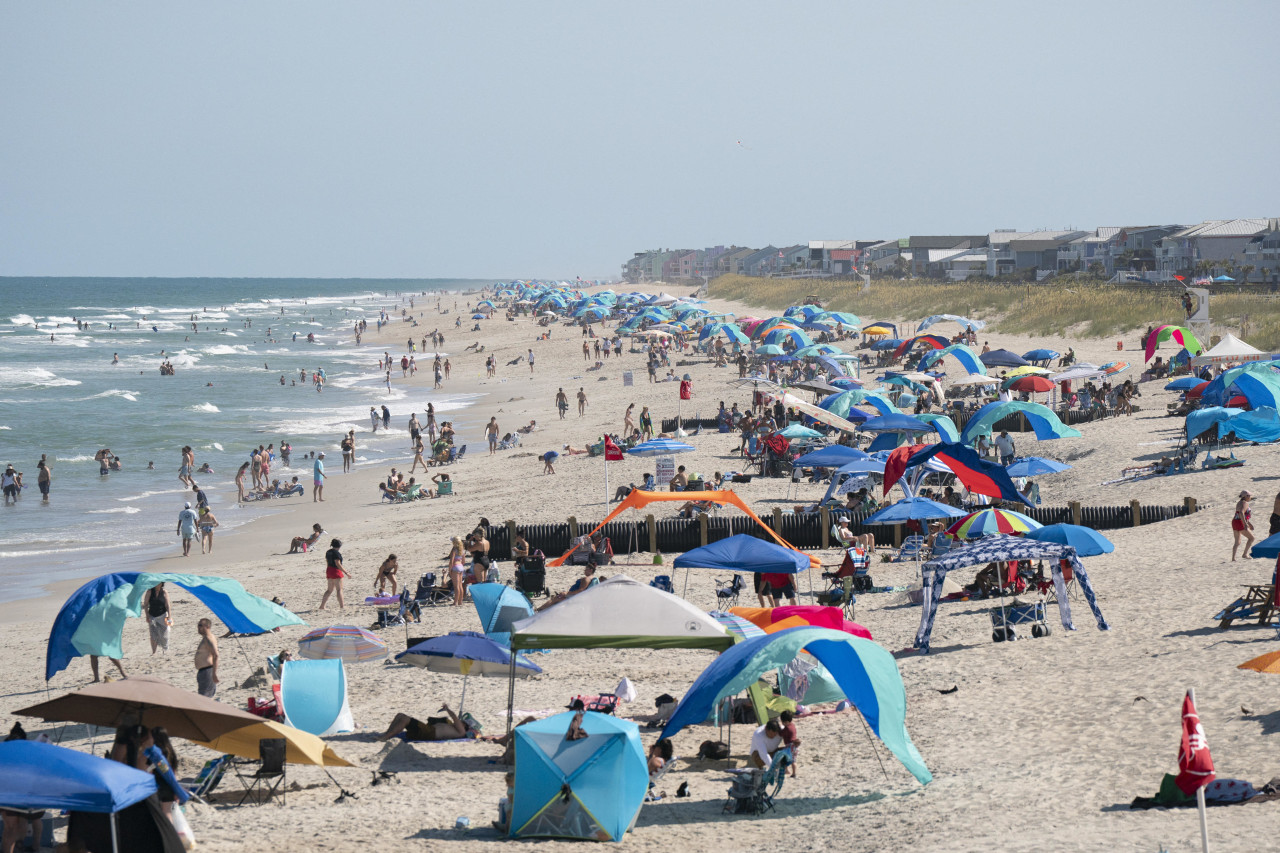
Standard umbrella + sand anchor. This is the hack that fails most often on our stretch of coast specifically. The Grand Strand gets steady onshore wind, and even a properly anchored umbrella will catch air and go cartwheeling down the beach — we've all seen it happen to somebody. The catch: from Memorial Day through Labor Day, Myrtle Beach and North Myrtle Beach ban tents, canopies, tarps, and Shibumi-style wind shades entirely. During peak season you're limited to a round umbrella no more than 7'6" in diameter, set up in the designated umbrella line. So the real fix isn't a different shade structure — it's a heavier-duty sand anchor (a corkscrew-style anchor, not just burying the pole) and angling the umbrella low into the wind rather than upright. Save the tarp-and-poles setup for the off-season, when tents up to 12x12 are allowed again after Labor Day.
Aloe frozen into ice cubes. A popular hack, but functionally it's the same as just keeping a bottle of aloe cold in your cooler. It's not a bad idea, it's just not actually better than the simpler version — more prep for the same result.
Small wheeled coolers or narrow beach carts. Not on the generic lists, but worth flagging for anyone parking at a public access here: narrow wheels dig straight into soft sand and become a workout. A wide, low-pressure "balloon wheel" beach cart is the difference between a smooth walk from the parking lot and dragging a cooler sideways for 200 yards.
Myrtle Beach-Specific Things Nobody Else Tells You
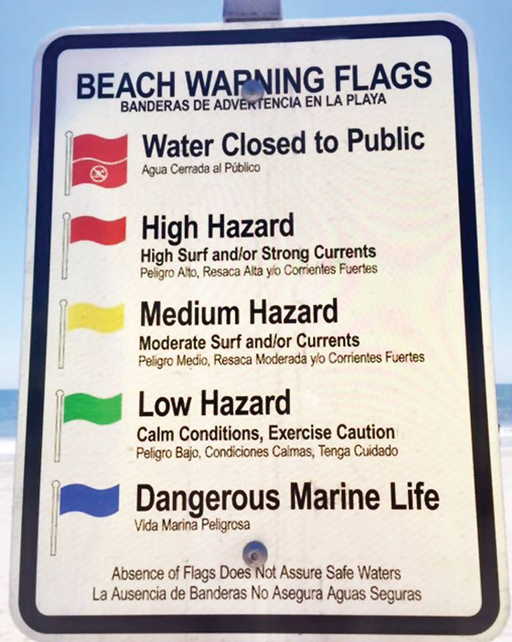
Our flag system uses blue, not purple, for marine life. Most national beach-safety guides say purple means jellyfish or dangerous marine life. Myrtle Beach uses a blue flag for that instead. If you're used to the purple-flag convention from another coast, this is worth knowing before you assume blue means something else.
The four flags, plain and simple:
- Green — low hazard, calm conditions
- Yellow — medium hazard, swim with caution
- Red — high hazard, strong surf/currents, not recommended
- Double red — water closed to the public
- Blue — dangerous marine life present (jellyfish, most often)
If you get caught in a rip current: float, then swim parallel, not straight in. Local lifeguards are consistent on this — don't fight it by swimming straight back toward the beach. Swim parallel to the shoreline until you feel the pull ease up, then angle back in. Rip currents here have picked up in frequency in recent seasons due to beach renourishment, so this isn't a "just in case" tip, it's a genuinely useful one for our beach right now.
Check the NWS Wilmington surf zone forecast before you go, not just the flag when you arrive. It breaks rip current risk down by specific stretch of the Grand Strand — Cherry Grove, North Myrtle Beach, Myrtle Beach proper, Surfside, Garden City — so you can actually plan around it instead of finding out at the sand.
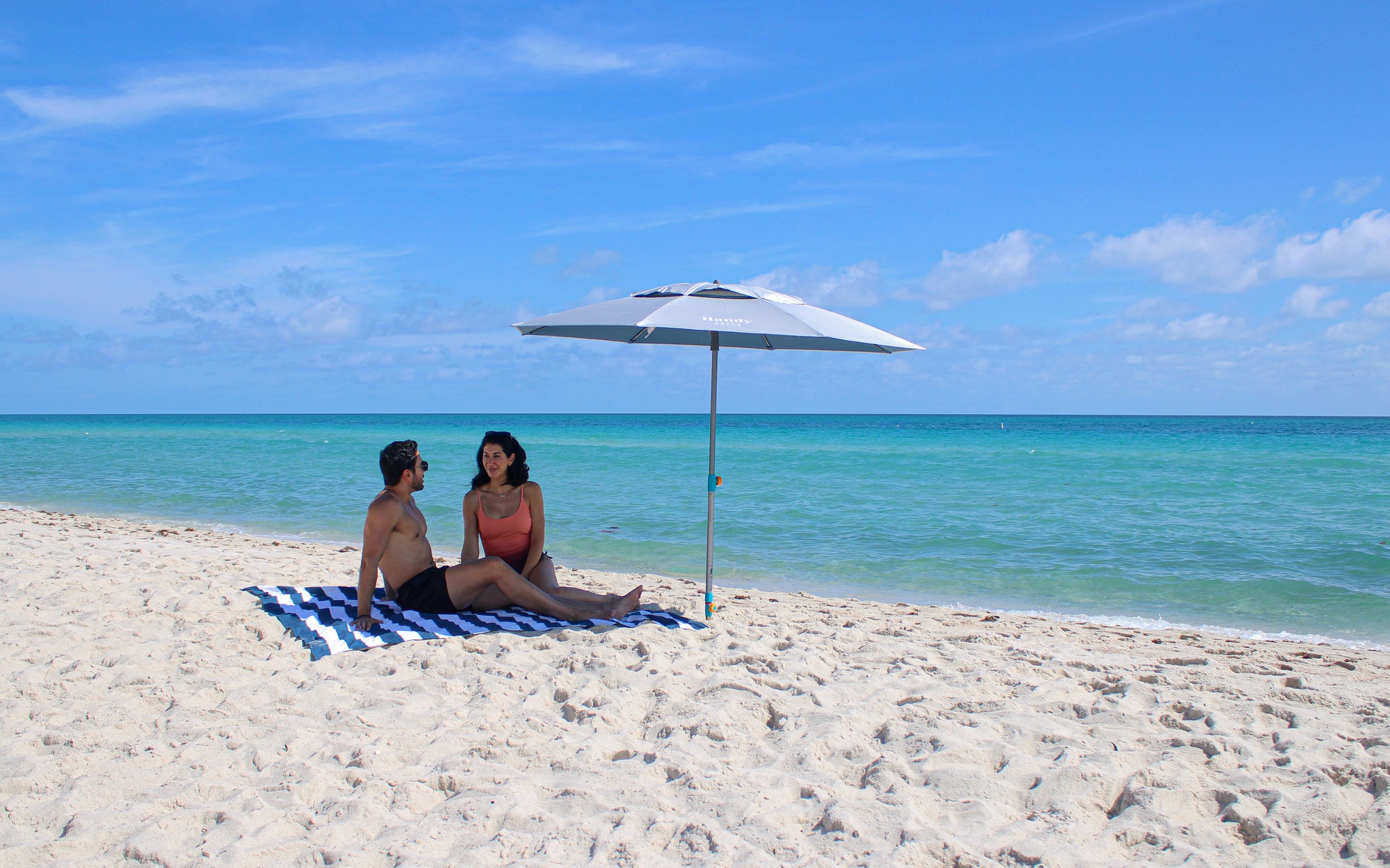
Play the parking smart. Myrtle Beach paid parking runs daily from 9 a.m. to midnight, at $3/hour at beach accesses and $2/hour in secondary and core-business areas. You can pay by meter, kiosk, the ParkMobile app, or Text-2-Park — and if you're staying a full week, the $50 seven-day pass at the Pavilion Parking Garage is the move. But you don't need to pay at all if you know where to look: Horry County beach accesses like Nash Street stay free, and there are a few free lots scattered around the Arts & Innovation District and near First United Methodist Church.
The Bottom Line
Most beach hacks are genuinely reusable no matter where you are — the powder trick and the fitted-sheet base are worth doing anywhere. But a few of them, especially anything involving wind or shade, need a local adjustment once you're dealing with actual Grand Strand conditions. And the safety stuff isn't really a "hack" at all — it's just worth knowing before you're standing in the water figuring it out.
Got a hack that's saved your beach day here? Send it our way — we're always testing new ones.
Pick the access point before you pack
The practical part of a beach day starts before the cooler comes out: choose the right official access point for the area where you are staying. Browse the government-source Myrtle Beach Beach Access hub or North Myrtle Beach Beach Access hub for those cities. If you are farther south, use the Surfside Beach hub, Garden City hub, or Pawleys & Litchfield hub. For the county-record set as a whole, start with Horry County Beach Access.
These pages list official named locations and source links; confirm the linked government source for current rules, parking instructions, closures, and conditions before leaving. of they didn't want their favorite spot getting ruined. Can't say I blame them.
Here's what the talkative ones kept naming. No rankings, no scores — just the places locals couldn't help but mention.
The name that kept coming up: Socastee Station
If there was a consensus pick, this was it. Socastee Station came up more than any other spot in the whole thread — it was simply the default answer, the place that came to mind first. Nobody named a specific dish; they didn't have to. When that many different people land on the same place unprompted, that's the headline. If you only try one place off this list, make it this one.
Local favorites
These are the names that kept surfacing again and again:
Victoria's Country Kitchen — Down on 3rd Ave S in Myrtle Beach, serving country cooking that one commenter called "the absolute best." This is meat-and-three territory, done right.
Judy Boone's — Over in Murrells Inlet. "Excellent — we are there often," said one local, which is about as strong an endorsement as it gets. Regulars don't lie"="article-image-credit">Photo: exploregrandstrandsc.com
Bistro 90 — An upscale pick that locals clearly don't think of as a tourist spot, which is exactly why it belongs here.
Bimini's Oyster Bar & Seafood Market — Oysters and seafood with a market attached. When locals want seafood without the strip-mall markup, this is where they go.