The Honest Guide to Every Grand Strand Beach: Pros, Cons, and When to Go
Every Grand Strand beach has its own personality, crowd, and trade-offs. Here is the straight-shooting guide to choosing the right stretch of sand from Cherry Grove to Pawleys Island.
Category: guide | Published: 2026-10-08
The Honest Guide to Every Grand Strand Beach: Pros, Cons, and When to Go
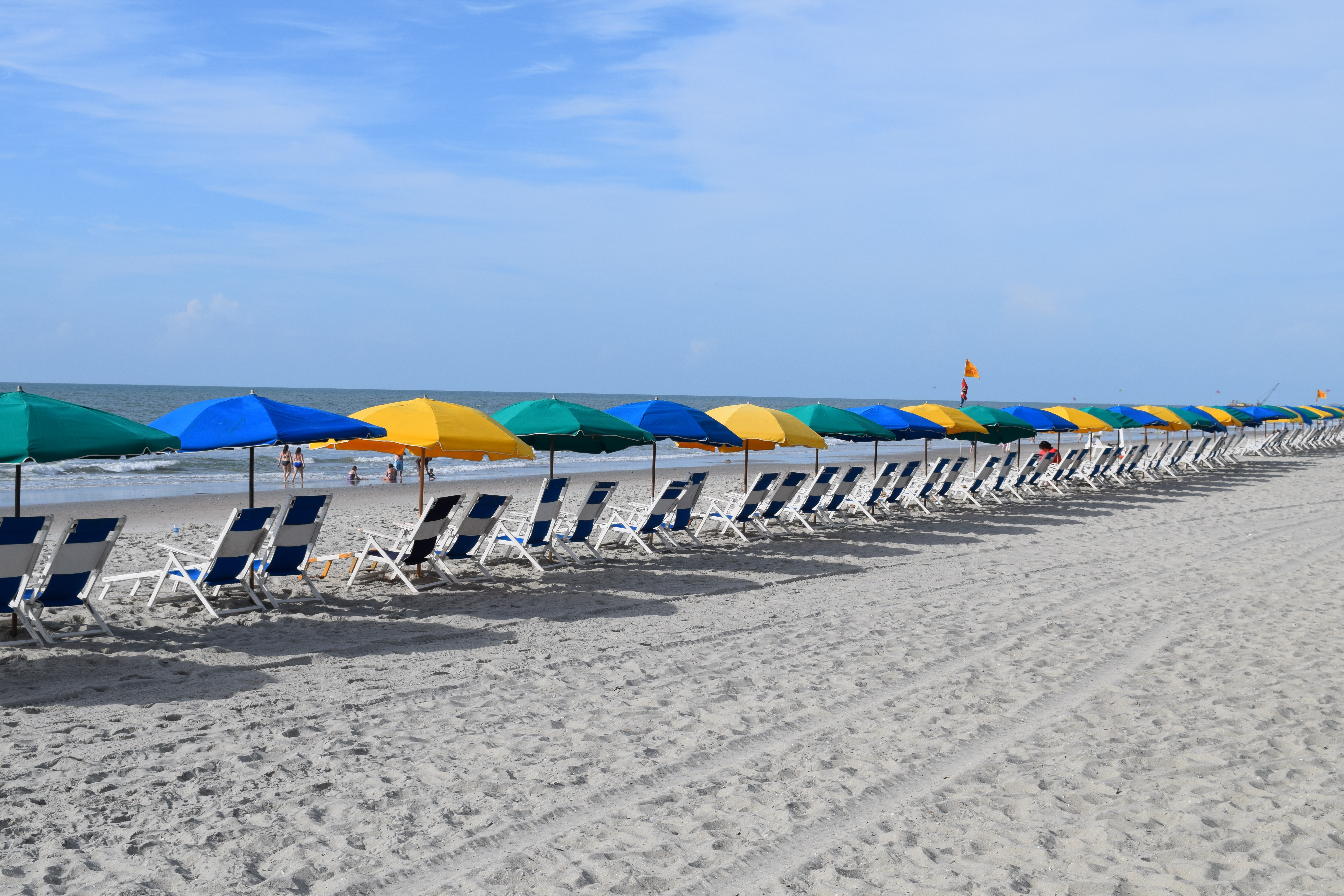
Photo: Wikimedia Commons, CC BY-SA 4.0
Sixty miles of sand sounds like one long beach. It isn't. Ask a local and they'll tell you the Strand is a string of little beach towns, each with its own personality, its own crowd, and its own trade-offs. Pick the wrong one for your trip and you'll spend the week fighting for parking. Pick the right one and you'll wonder why you ever stayed anywhere else.
Here's every major beach from north to south, with the good, the bad, and the season it shines.
Cherry Grove (North Myrtle Beach)
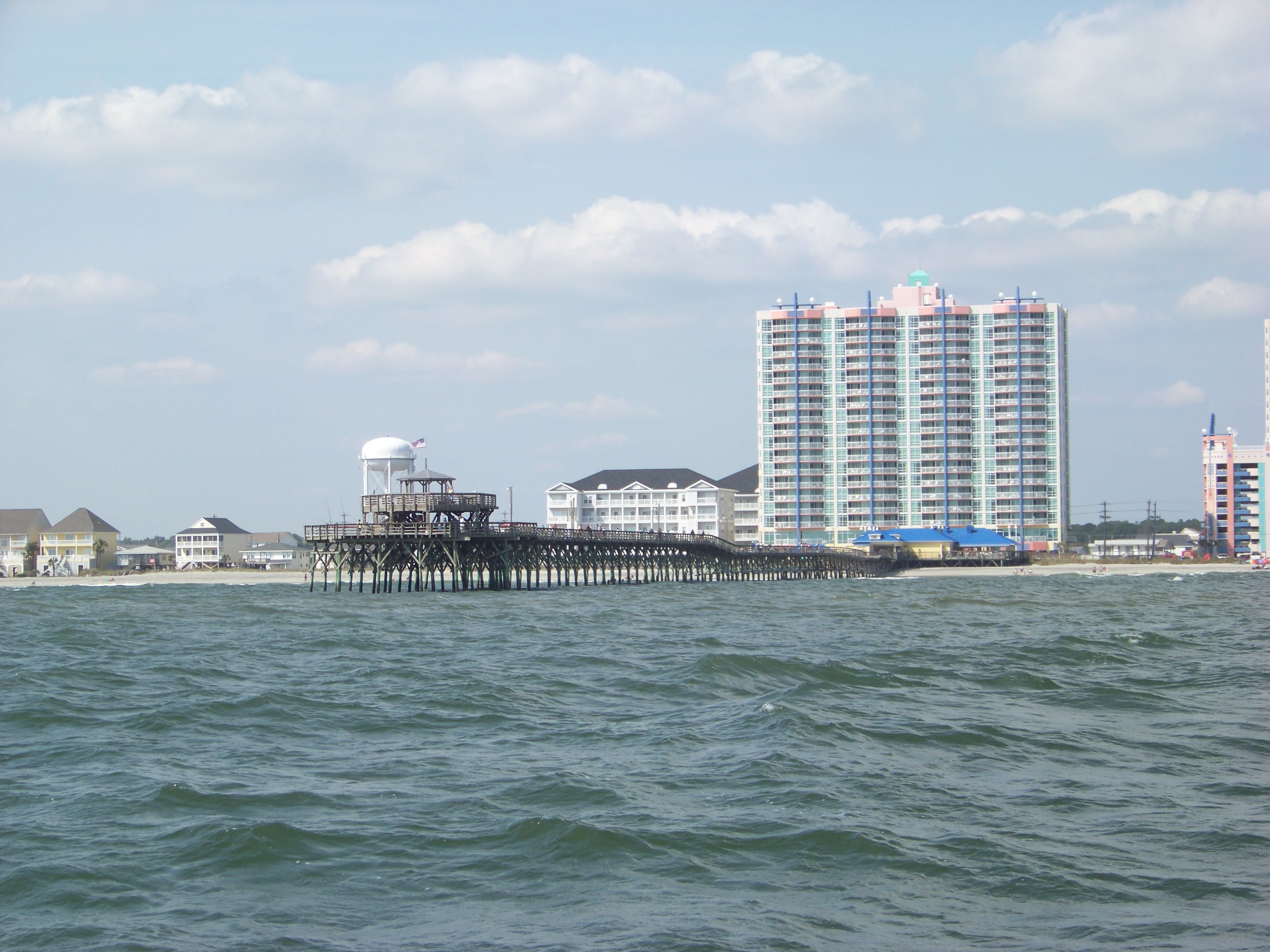
Photo: Wikimedia Commons, public domain
The vibe: Quiet, residential, old-school family beach. The northernmost stretch before you hit Little River.
Pros: Wide beach, calm water, far fewer crowds than central Myrtle Beach. The point at Hog Inlet is one of the best fishing and shelling spots on the Strand. Easy parking compared to the Boardwalk chaos.
Cons: Not much nightlife or dining within walking distance — you'll drive for dinner. Can feel sleepy if you want action.
Best season: Fall. Warm water, empty sand, and the inlet fishing turns on.
What makes it different: That inlet. Most Grand Strand beaches are straight oceanfront; Cherry Grove has the Hog Inlet point, where the creek meets the sea — different water, different shells, different fish.
Plan your visit: Beach-access parking · Cherry Grove access and amenities · North Myrtle Beach dog rules
North Myrtle Beach — Ocean Drive & Crescent Beach
Photo: Wikimedia Commons, CC BY-SA 4.0
The vibe: Beach music and shag dancing heritage, but the sand itself is family-friendly and clean.
Pros: Beautiful wide beaches, lively but not rowdy. Ocean Drive has the shag clubs and a fun little downtown strip. Good mix of restaurants without the Myrtle Beach strip madness.
Cons: Summer weekends still pack in. Some stretches have heavy high-rise shadows in the late afternoon.
Best season: Spring. Shag season kicks off, the weather's perfect, and summer crowds haven't arrived.
What makes it different: The culture. This is the birthplace of beach music and the shag — no other beach on the Strand has a dance named after its main drag.
Plan your visit: Beach-access parking · Beach accesses and amenities · North Myrtle Beach beach laws
Myrtle Beach — North End
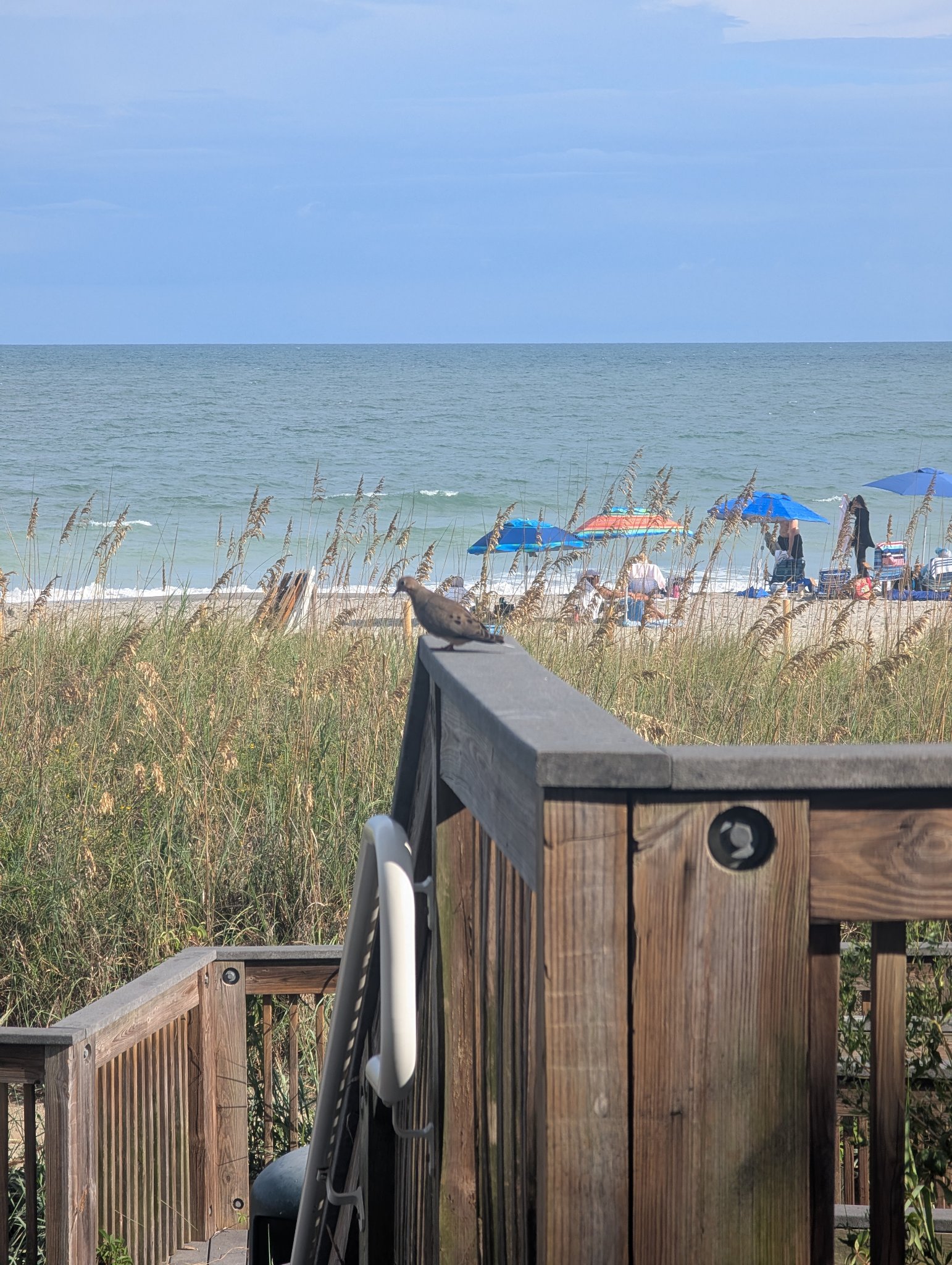
The vibe: High-rise condos, family resorts, a little calmer than the Boardwalk but still in the middle of everything.
Pros: Tons of oceanfront lodging options, easy beach access from most resorts. Close to Barefoot Landing for dining and shopping. Lifeguard coverage is dense in summer.
Cons: The beach in front of the big resorts gets crowded fast. Parking if you're not staying oceanfront is a fight.
Best season: Summer, if you want the full resort experience — or September, when the water's still warm and the crowds thin out.
What makes it different: Density of stuff. More mini-golf, more restaurants, more everything within a ten-minute radius than anywhere else on the Strand.
Plan your visit: City parking meters and street-end parking · Beach access and accessibility information · Beach conditions and dog rules
Myrtle Beach — Central & the Boardwalk
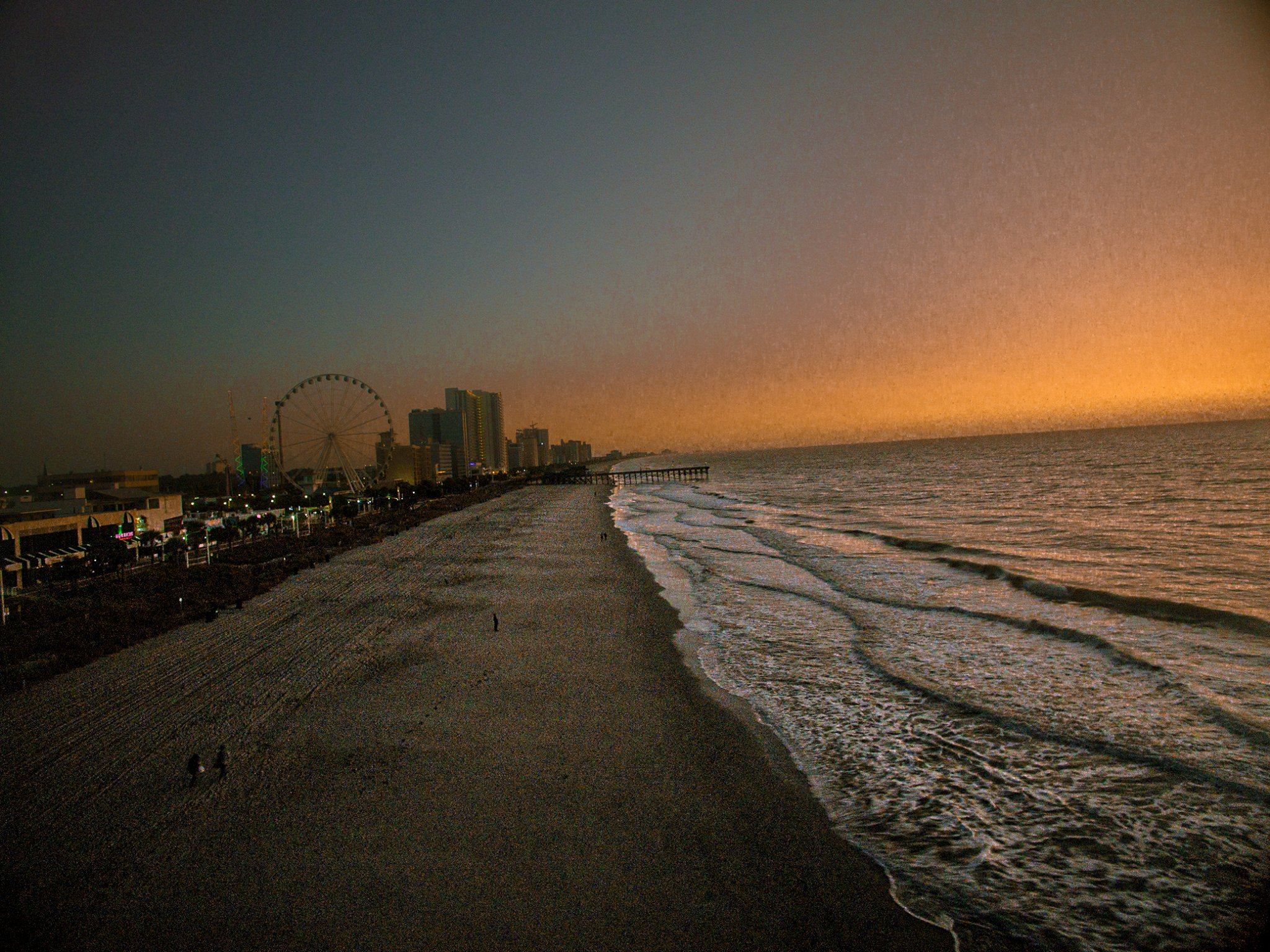
The vibe: The postcard. SkyWheel, arcades, the Boardwalk, street performers — maximum Myrtle Beach.
Pros: If you want action, this is it. The Boardwalk is genuinely fun, the people-watching is elite, and everything is walkable. Best sunrise views over the pier.
Cons: The most crowded beach on the Strand in summer. Parking is expensive and scarce. It can get rowdy late at night — families with small kids often prefer one town over.
Best season: Honestly? Late September. You get the Boardwalk energy without the July crowds, and the ocean is at its warmest.
What makes it different: It's the only beach with a real boardwalk scene — rides, shops, and neon ten steps from the sand.
Plan your visit: City parking meters and street-end parking · Accessible beach access information · Boardwalk dog-rule notice
Myrtle Beach — South End & Myrtle Beach State Park
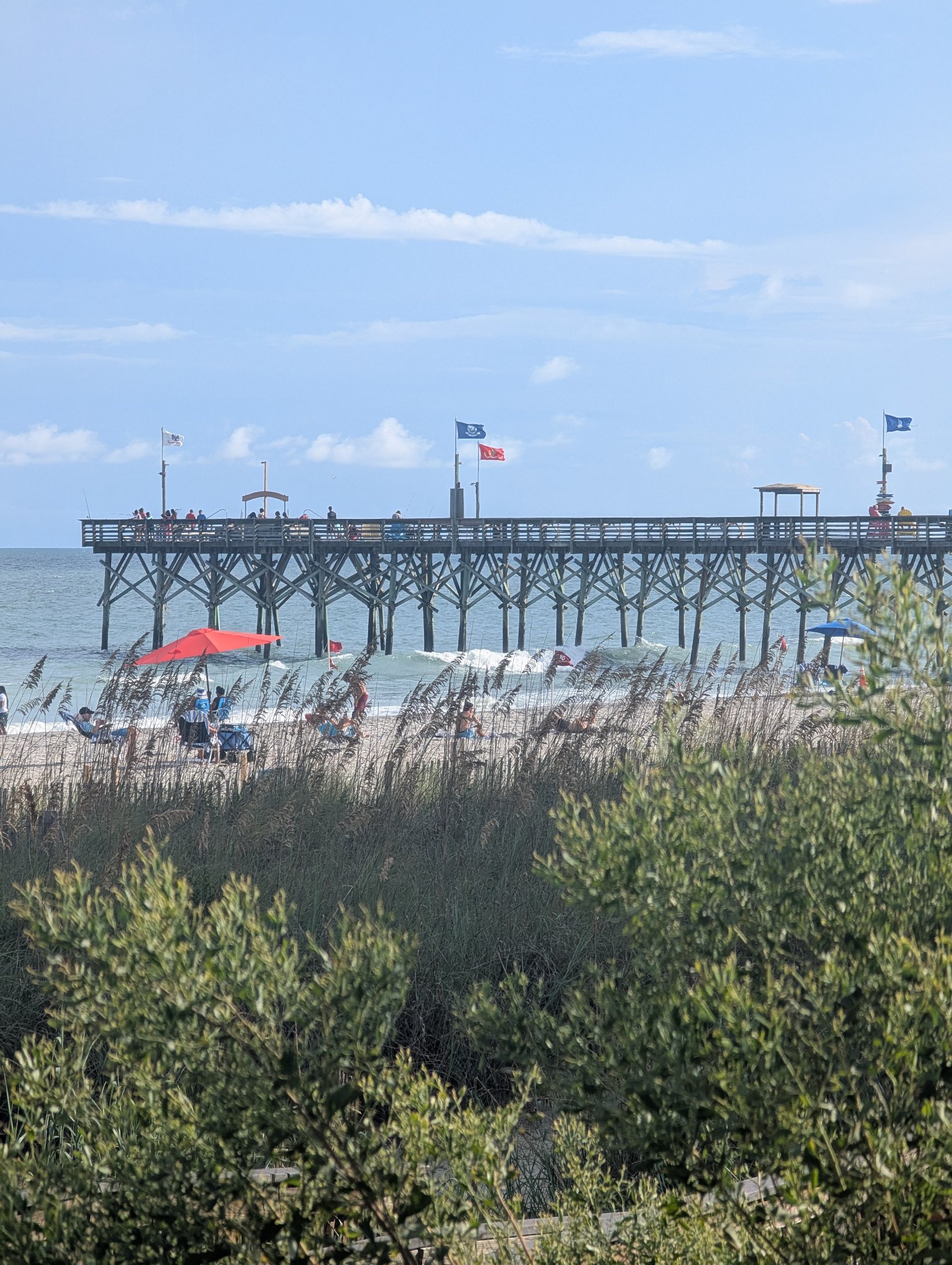
The vibe: The exhale. The state park is 312 acres of undeveloped beach — the anti-Boardwalk.
Pros: Myrtle Beach State Park ($8/adult) has a mile of natural beach, a fishing pier, nature trails, and actual peace and quiet. The surrounding south end is mostly residential and calm.
Cons: Fewer restaurants and bars nearby. The park has set hours (gates close), so no late-night beach walks.
Best season: Spring. The maritime forest is green, the crowds are zero, and the pier fishing picks up.
What makes it different: It's the only place in Myrtle Beach proper where the beach looks like it did 70 years ago — dunes, sea oats, no high-rises.
Plan your visit: Myrtle Beach State Park parking and park details · Beach information and boardwalk access · State park dog rules
Surfside Beach
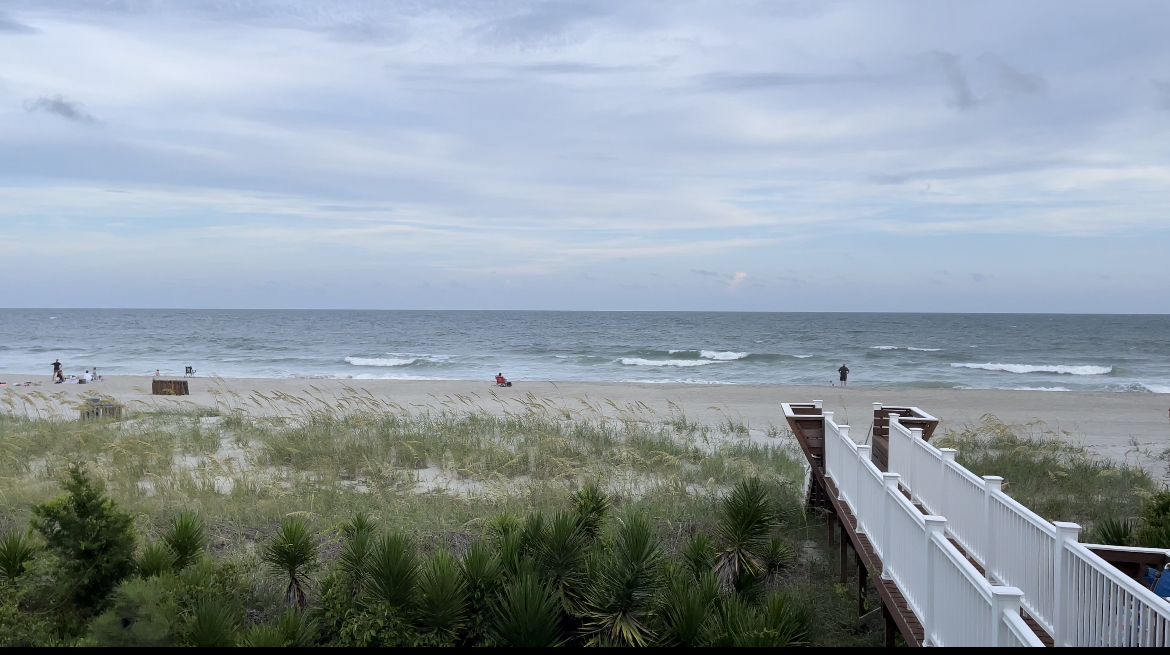
Photo: Wikimedia Commons, CC BY-SA 4.0
The vibe: "The Family Beach" — and it earns the name. Small-town, residential, deliberately low-key.
Pros: Clean, calm, and genuinely family-oriented. The pier area has a nice little cluster of restaurants. Easier parking than Myrtle Beach central.
Cons: Limited nightlife — this town rolls up the sidewalks early. If you want excitement, you're driving north.
Best season: Summer. This is a classic family summer beach town, and it shows it off best in July.
What makes it different: It's an actual town with its own identity, not a strip of hotels. Locals live here year-round, and it feels like it.
Plan your visit: Town parking lots, fees, and passes · Beach access, mats, and local dog rules · Surfside beach information
Garden City
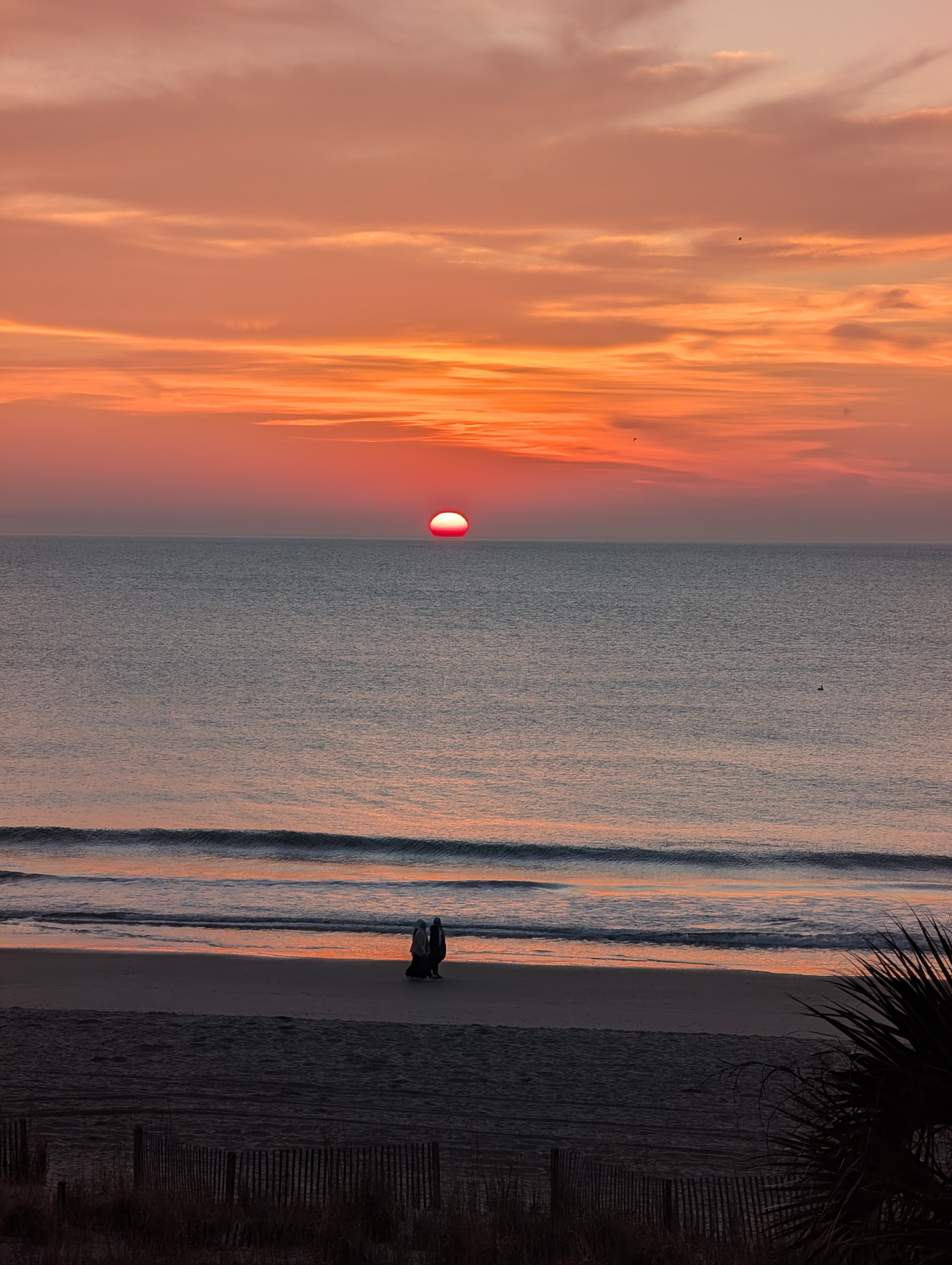
The vibe: Surfside's laid-back sibling, wrapped around the creek.
Pros: The Garden City Pier, the marsh views on the creek side, and a slow pace. Great crabbing off the creek docks. Feels like old Florida.
Cons: Small — you can walk the whole commercial strip in twenty minutes. Dining options are limited.
Best season: Fall. The creek is gorgeous in October light, and the summer day-trippers are gone.
What makes it different: Two waterfronts. Ocean on one side, Murrells Inlet creek on the other — sunset over the marsh beats sunset over a parking lot.
Plan your visit: Garden City beach-access parking · County beach-access information · Horry County beach and animal rules
Murrells Inlet — Huntington Beach State Park
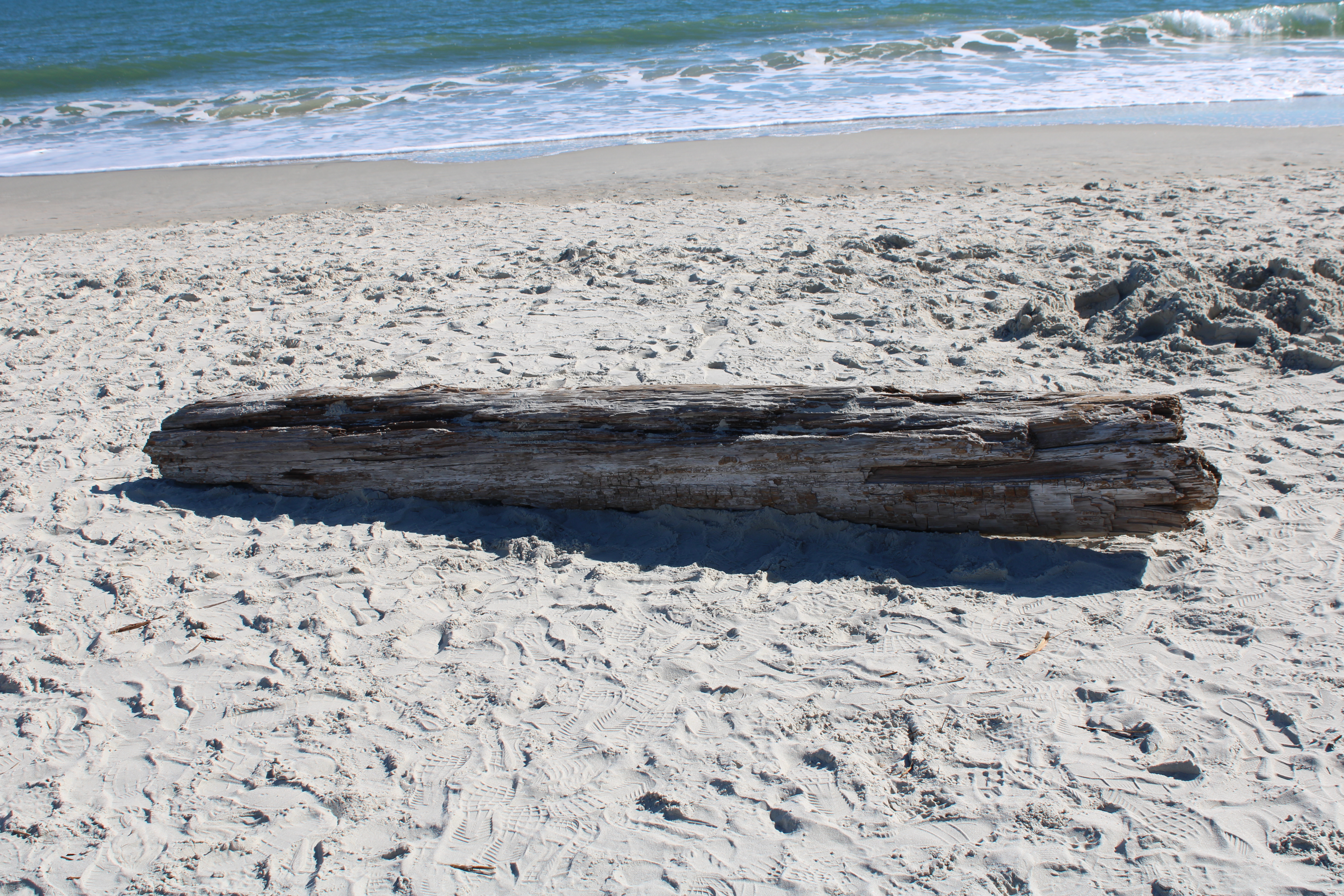
Photo: Wikimedia Commons, CC BY-SA 4.0
The vibe: The crown jewel. Pristine beach, 300+ bird species, alligators in the causeway, and a 1930s Moorish castle (Atalaya) sitting in the dunes.
Pros: The most beautiful natural beach on the Strand, full stop. Incredible birding, the best shelling after storms, and the castle tour is two bucks. Entry is $8/adult — the best deal on the coast.
Cons: No lifeguards on parts of the beach. No food or drinks inside the park — pack a cooler. It closes at posted hours.
Best season: Winter and early spring. The birds are everywhere, the beach is empty, and the light is unreal. Summer works too, but go early.
What makes it different: Everything. It's a nature preserve that happens to have a beach, not a beach with a gift shop. Nothing else on the Strand comes close.
Plan your visit: Park map, parking, and brochures · Accessible beach access guide · Huntington Beach dog rules
Litchfield
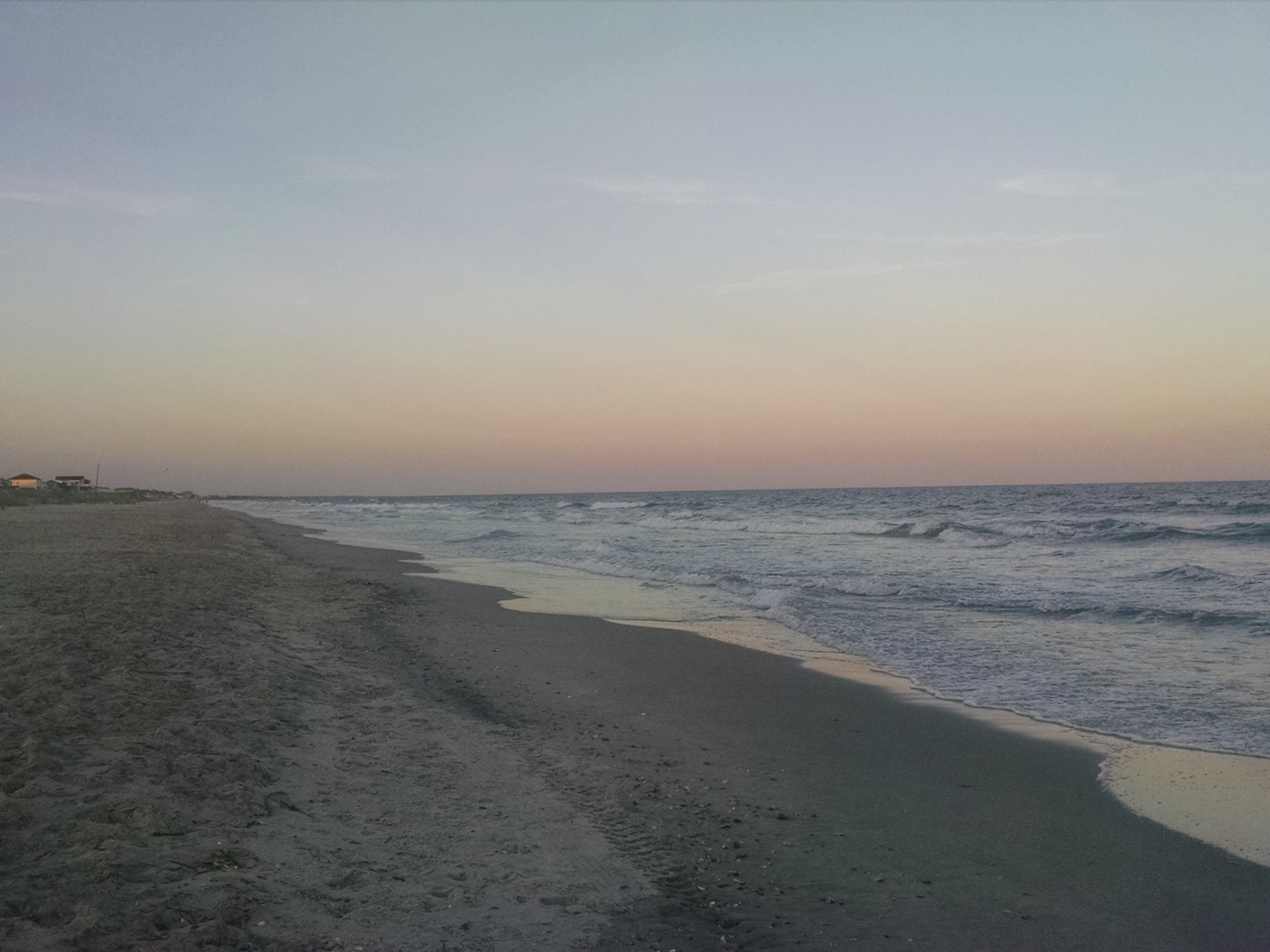
Photo: Wikimedia Commons, CC BY-SA 2.0
The vibe: Quiet money. Gated communities, golf courses, and a beach with no commercial strip at all.
Pros: Peaceful, clean, uncrowded even in summer. Beautiful wide beach.
Cons: Almost no public parking — most access is through private developments or limited public accesses. Very few restaurants nearby.
Best season: Any. It's quiet year-round.
What makes it different: The absence of everything. No pier, no strip, no t-shirt shops — just houses, dunes, and sand.
Plan your visit: Georgetown County beach parking FAQ · Litchfield public-access numbers · Georgetown County beach safety and dog rules
Pawleys Island
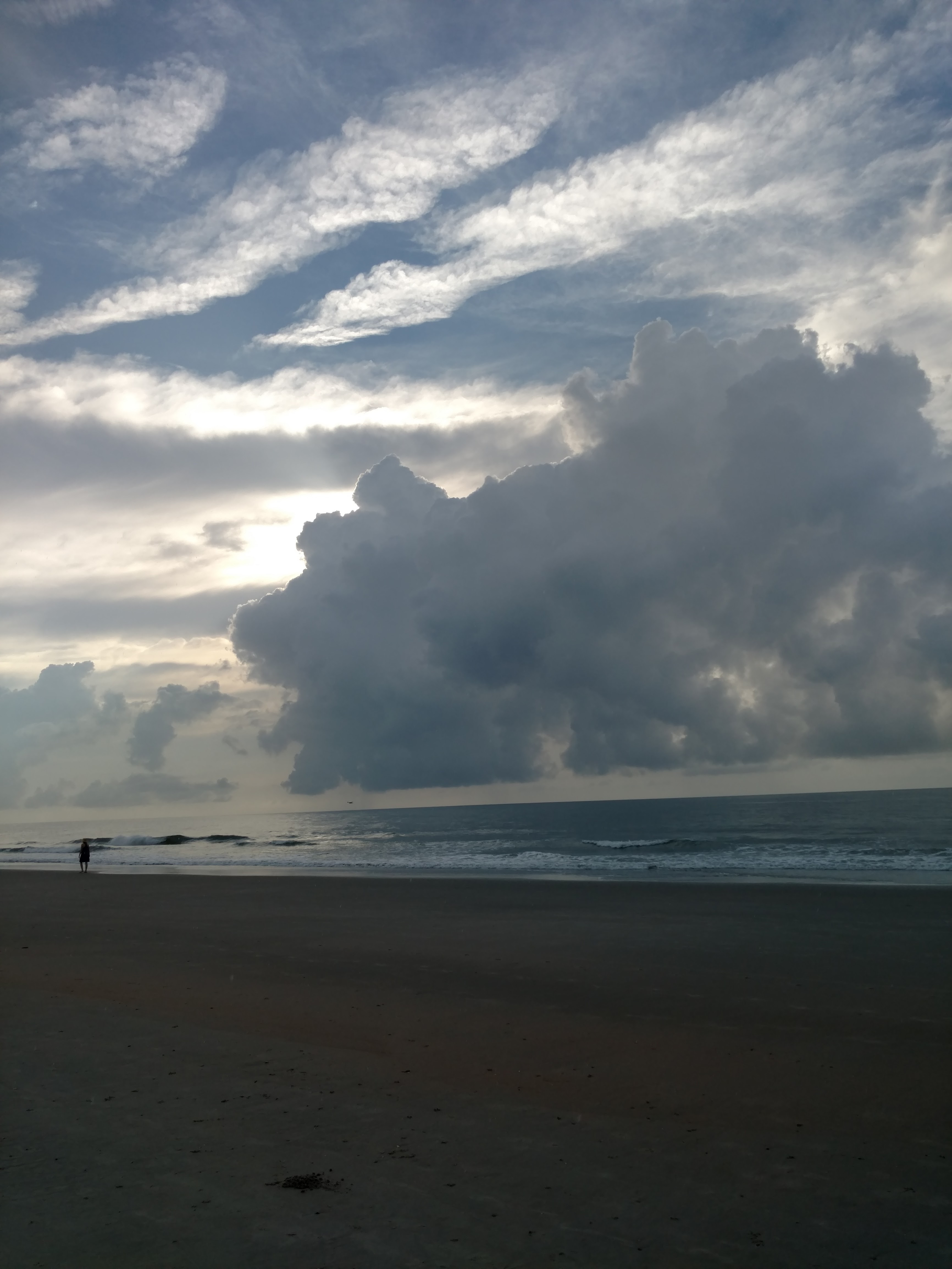
Photo: Wikimedia Commons, CC BY-SA 4.0
The vibe: "Arrogantly shabby" — the island's actual slogan, and it's perfect. Old family beach houses, no high-rises, no neon.
Pros: The most charming beach on the Strand. No commercial development on the island itself. The creek side offers calm water for kayaking and crabbing.
Cons: Pricey — rentals and real estate are the highest on the Strand. Very limited public parking. You'll drive to Murrells Inlet or Litchfield for dinner.
Best season: Fall. The light, the empty beach, the creek — October on Pawleys is the Strand at its best.
What makes it different: It's the only beach town that refused to change. While everything else built up, Pawleys stayed low, quiet, and proud of it.
Plan your visit: Beach access and parking · Town beach rules and dog hours · Pawleys Island beach access details
The Seasonal Cheat Sheet
Spring (March–May): Warming up, thin crowds, great shelling. The water's still brisk until May, but the beach is yours. Best for: Huntington Beach State Park, Myrtle Beach State Park, Cherry Grove.
Summer (June–August): Peak everything — heat, crowds, warm water, full lifeguard coverage. Go early for parking everywhere. Best for: Surfside Beach, North Myrtle Beach, Myrtle Beach North End (if you want the full scene).
Fall (September–October): The locals' favorite. Ocean's at its warmest, crowds vanish after Labor Day, and the light is golden. Best for: Pawleys Island, Garden City, the Boardwalk (without the chaos), Cherry Grove.
Winter (November–February): Empty, cool, and beautiful in its own way. Great for long walks, sunrises, and birding. Some piers and businesses run reduced hours. Best for: Huntington Beach State Park, Pawleys Island, Litchfield.
The Bottom Line
There's no single "best" beach on the Grand Strand — there's the best beach for your trip. Want action? Boardwalk. Want quiet? Pawleys or Litchfield. Want nature? Huntington Beach State Park, no contest. Want the classic family week? Surfside or Cherry Grove.
The only wrong move is assuming they're all the same sixty miles of sand. They're not. Now you know.