King Tides on the Grand Strand: Why the Water Rises and Where It Floods First
The next king-tide window arrives October 26–27. Here is what high water can mean for low-lying Grand Strand streets and how to plan around it.
Category: guide | Published: 2026-10-04
The specific October 2026 peak dates in the original version of this guide have passed. The flooding spots and safety advice below apply to every king tide.
The highest tides of the year are called king tides. They happen mainly in the fall and can push water farther into low-lying streets, especially when storms add extra water and wind.
What's a king tide? It's not a storm. It's just the moon and sun lining up to pull the ocean higher than usual. No hurricane, no nor'easter — just astronomy doing its thing. But when that extra-high water meets our low-lying streets, things get wet.
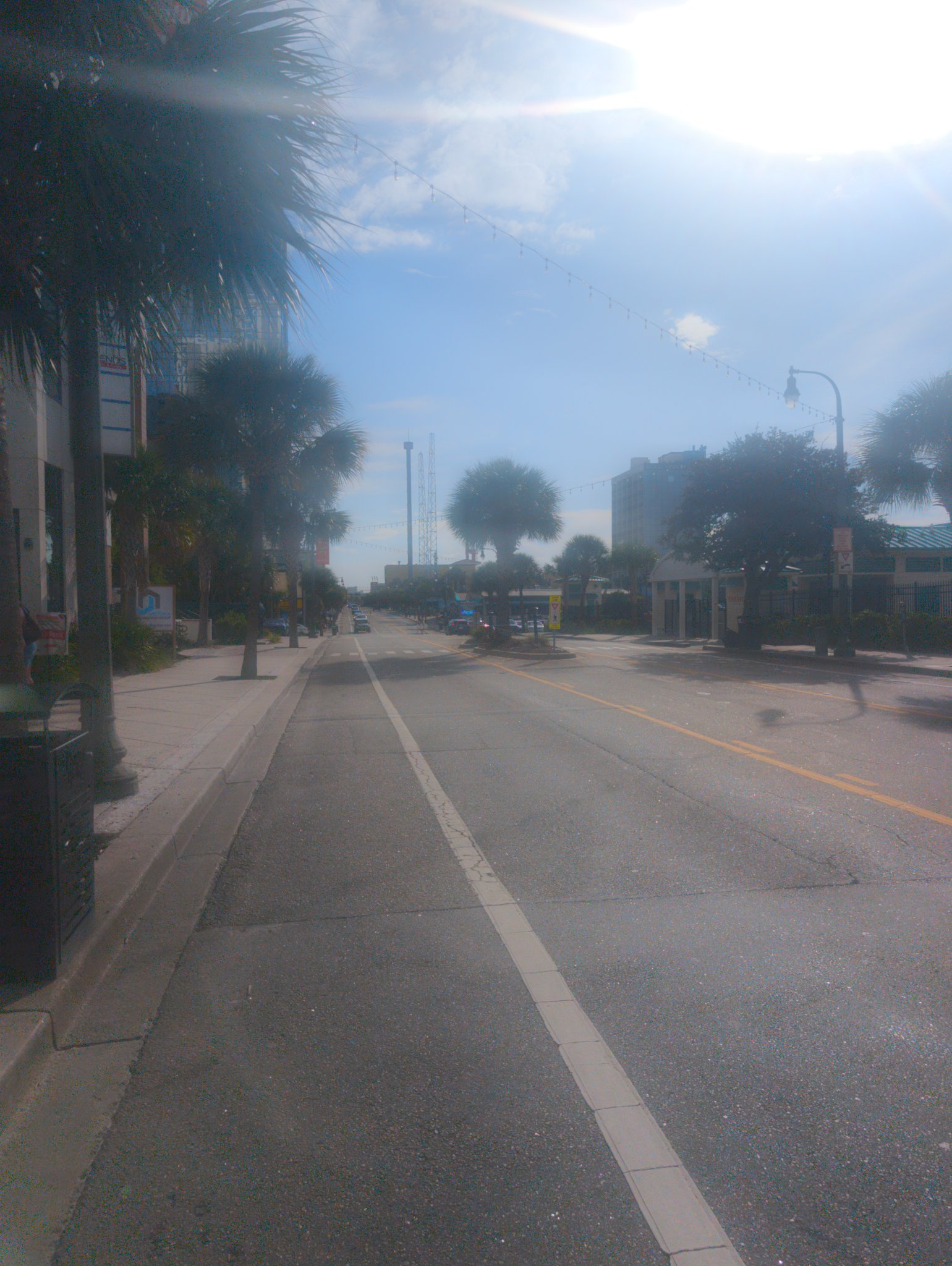
Where it floods: The usual suspects. Streets around Cherry Grove in North Myrtle Beach, low spots in Garden City and Murrells Inlet, and parts of Pawleys Island are the first to go under. If you're staying in a beach house in one of those areas, don't be surprised to see water in the street at high tide.
What to do:
- Don't drive through saltwater. It'll eat your car's undercarriage alive, and what looks like a puddle can be a foot deep.
- Time your beach walks around low tide — at high tide, the beach gets narrow in a hurry.
- It's temporary. The water comes up, the water goes back down. A few hours later it's like nothing happened.
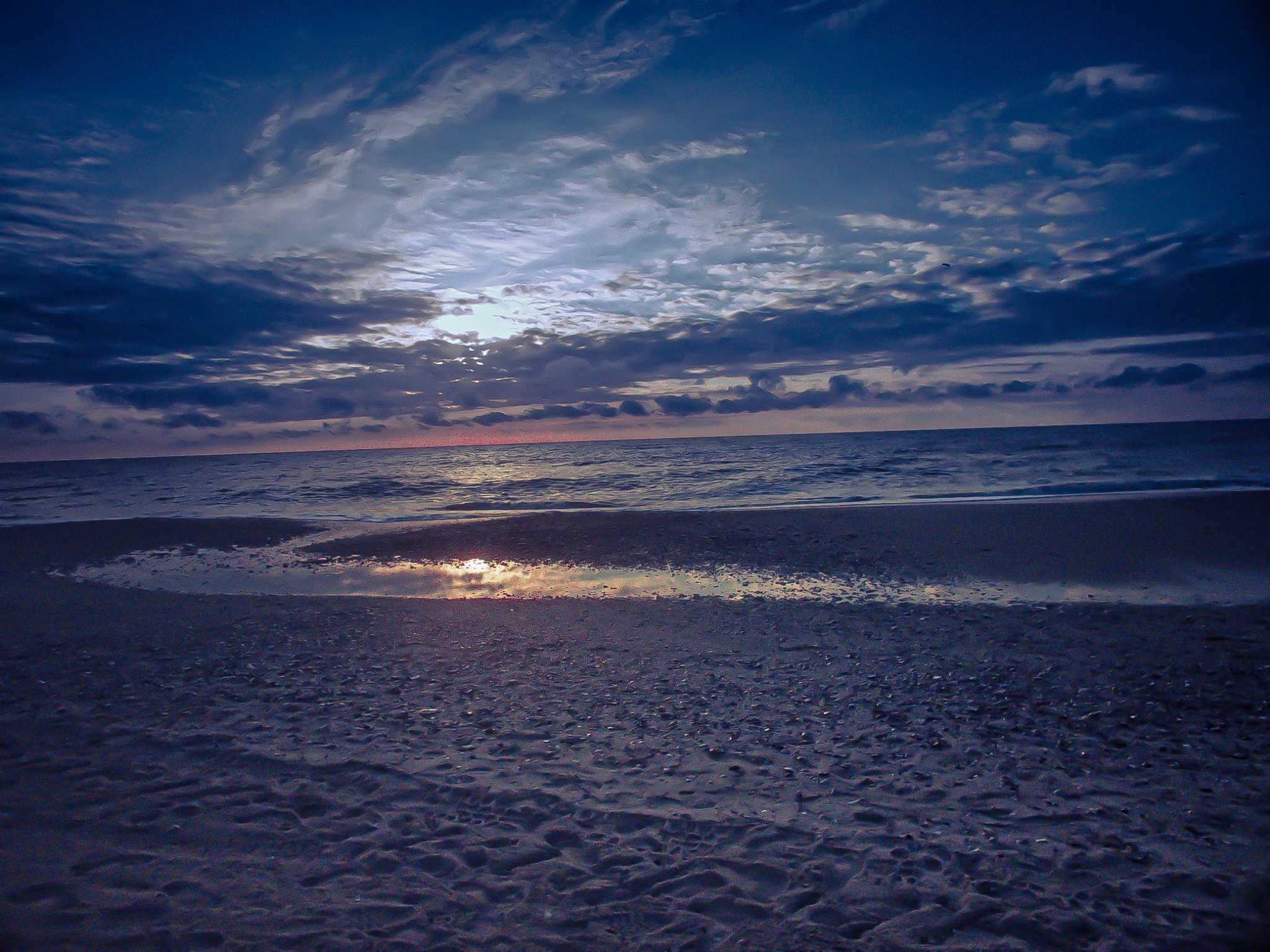
The good news: king tide sunrises and sunsets are downright spectacular, with water pushing into the marshes and creeks. If you're here for it, grab your camera — just keep your feet dry.
Check the exact tide times: NOAA's Springmaid Pier station posts daily high and low tide predictions for Myrtle Beach — check before you head out: https://tidesandcurrents.noaa.gov/stationhome.html?id=8661070