The Myrtle Beach You Remember Doesn't Exist Anymore
A trip back through the places, the nights, and the landmarks that made the Grand Strand what it was — and what replaced them.
Category: local | Published: 2026-08-10
If you visited Myrtle Beach in the 90s, the beach you remember doesn't exist anymore.
Not the water. Not the sand. Those haven't changed. But the strip? The nightlife? The places you dragged your family to on a Tuesday afternoon or stumbled out of at 2 AM on a Saturday? Gone. Almost all of it.
This isn't a sad story. It's a time capsule. If you were there, you'll remember. If you weren't, this is what you missed.
Cruising the Boulevard
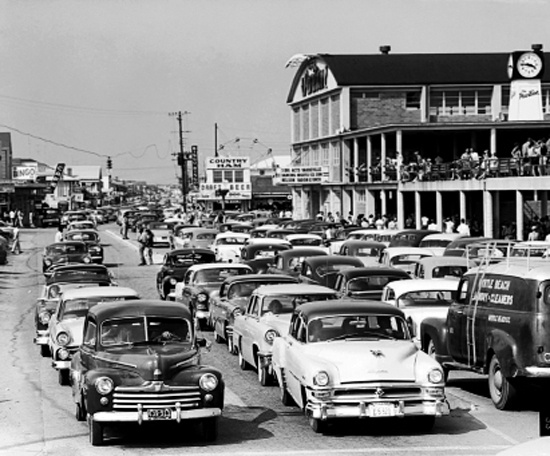 Ocean Boulevard bumper to bumper — this was every summer night. Photo: Myrtle Beach Historical Archives
Before there were apps, before there was social media, before anyone had a reason to stay in their hotel room at night — there was cruising Ocean Boulevard.
Every night in the summer, the Boulevard turned into a slow-rolling parade. Bumper to bumper from the Pavilion to the strip and back again. Windows down. Bass thumping. Somebody hanging out the passenger side yelling at the car next to them. You didn't need a destination. The drive was the destination.
You'd see the same cars loop three, four, five times. People waving. Horns honking. The smell of exhaust mixing with salt air and funnel cake.
The city killed it with traffic restrictions, one-way patterns, and no-cruising ordinances. By the mid-2000s, the culture was dead. The Boulevard still gets bumper to bumper on weekends — but now it's just traffic, not a scene. Nobody's hanging out their window anymore. If you never cruised the Boulevard when it was a thing, you missed something that can't be replicated.
The Pavilion (1948–2006)
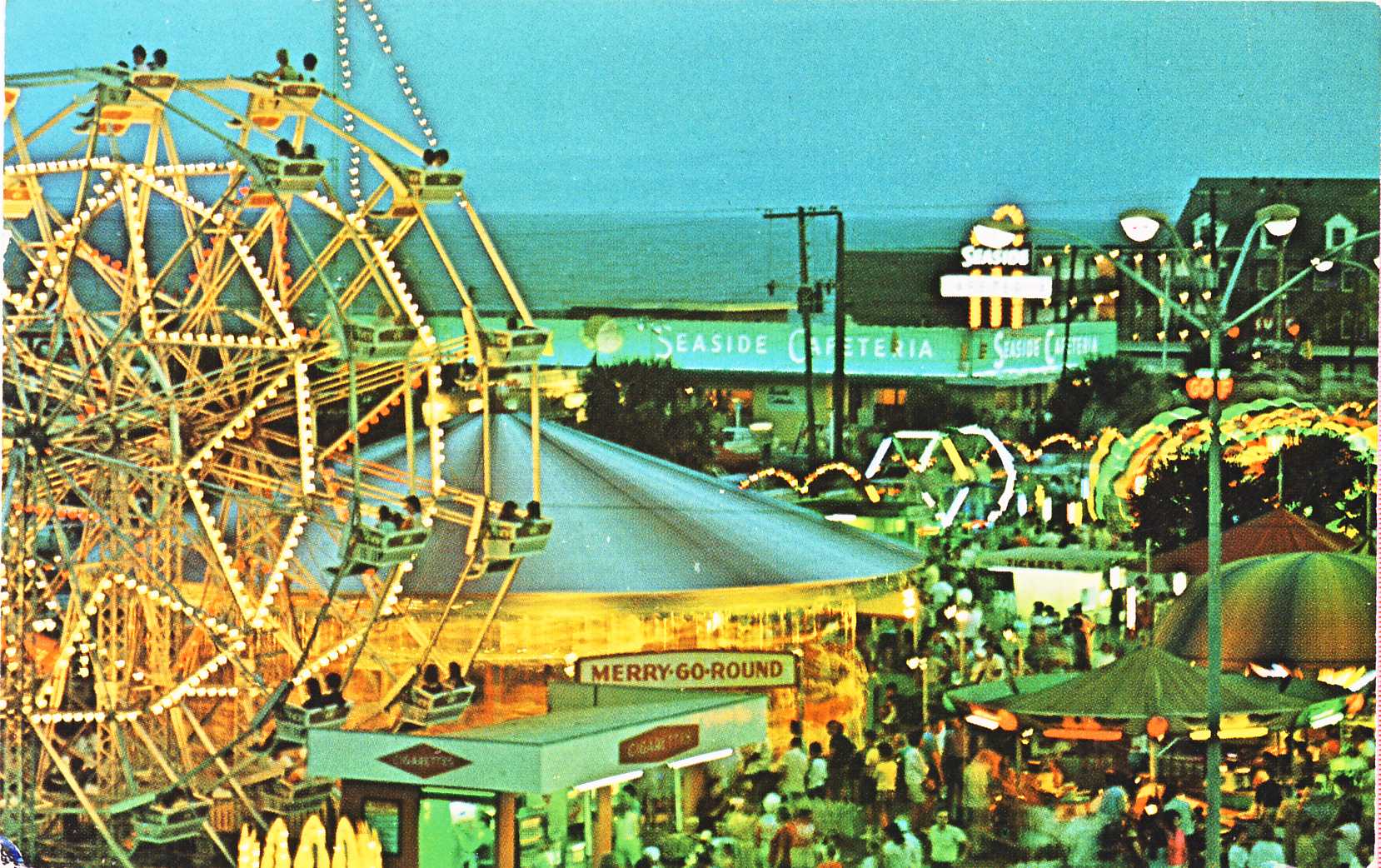 The Pavilion amusement park — 58 years of memories on the oceanfront. Photo: MyrtleBeach.com
Fifty-eight years. Four generations of families. One amusement park on the beach that meant more to this town than any building ever built here.
The Myrtle Beach Pavilion opened in 1948 — actually the fourth structure on that site, after earlier versions burned down in 1920 and 1944. It sat right at 9th Avenue and Ocean Boulevard, and for most of the 20th century, it was Myrtle Beach. You didn't say "let's go to the beach." You said "let's go to the Pavilion."
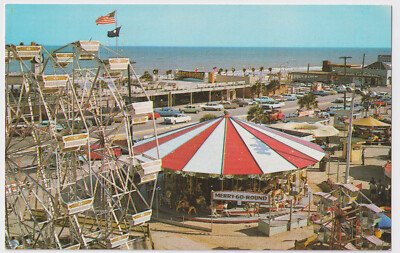 The Pavilion circa 1957 — visible from anywhere on the beach. Photo: Historical postcard
The Hurricane roller coaster. The Catapult. The Mad Mouse. The Merry-Go-Round with the hand-carved horses. The Magic Attic upstairs — the Pavilion's own dance hall where bands played and the jukebox sat right on the dance floor. The arcade where you burned through $20 in quarters trying to win a stuffed animal worth $3.
On September 24, 2006, the Pavilion closed to the public. A ticketed "Last Ride" event ran on September 30. Then the demolition crews came in December. The Hurricane coaster was scrapped — its trains sold to Kings Island in Ohio. The carousel went to a "Pavilion Nostalgia Park" at Broadway at the Beach, which also eventually closed.
Today, the site is part of Plyler Park. A vacant lot where an entire childhood used to live.
The Nightlife
Mother Fletcher's (1970s–mid-2000s)
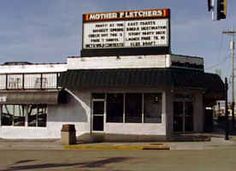 Mother Fletcher's — the marquee that meant your night was about to get interesting. Photo: Myrtle Beach History archives
If you went out in Myrtle Beach between 1975 and the mid-2000s, you went to Mother Fletcher's. Live bands, a dance floor that shook, spring break crowds that spilled onto the sidewalk. The neon marquee sign was as much a landmark as the Pavilion itself. The building was torn down and completely rebuilt as the 8th Avenue Tiki Bar & Grill.
Studebaker's
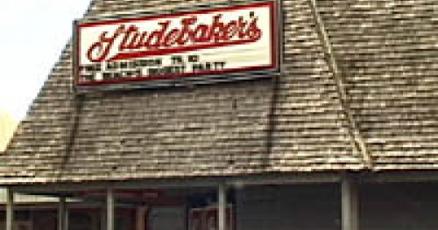 The Studebaker's sign — 30 years of beach music and shag dancing. Photo: ColumbiaClosings.com
Shag dancing. Beach music. Oldies. Studebaker's at 2000 North Kings Highway was where you went if you wanted to actually dance. It ran for 30 years before closing in 2010. The building is now a Dollar General. One of the most iconic nightclubs on the Grand Strand is literally a discount store.
The Circuit
What people forget is that it wasn't just one club — it was a circuit. Xanadu on Tuesdays. Yesterday's on Wednesdays. Bahama Beach Club on Thursdays. Mother Fletcher's on Fridays. Each club had its own theme night, its own crowd, its own personality. The Freaky Tiki. The Purple Gator. The Afterdeck. The Beachwagon. All gone.
3001 Nightlife (formerly 2001 Nightclub) and The Bowery are two of the only survivors from that era. The Bowery is where Alabama got their start — and it's still pouring drinks.
Mini Bottles
From 1973 to 2006, South Carolina law required every bar to pour liquor exclusively from mini bottles — those airplane-sized bottles. Every single drink got a full 1.7-ounce pour, noticeably more than a standard shot anywhere else in the country. Myrtle Beach drinks were legendarily strong. The law changed on New Year's Day 2006, and free-pouring became legal.
The Restaurants
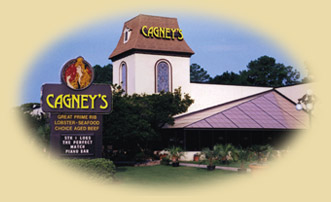 Cagney's — 36 years on Restaurant Row. Great prime rib, lobster, seafood. Photo: Myrtle Beach archives
Cagney's at 9911 North Kings Highway opened in May 1976 and served its last dinner on a Saturday night in October 2012 — thirty-six years on Restaurant Row. The building is now Carolina Seafood & Steak.
The themed restaurant era hit hard in the late 90s. NASCAR Cafe sat at 21st Avenue North and US 17 Bypass.
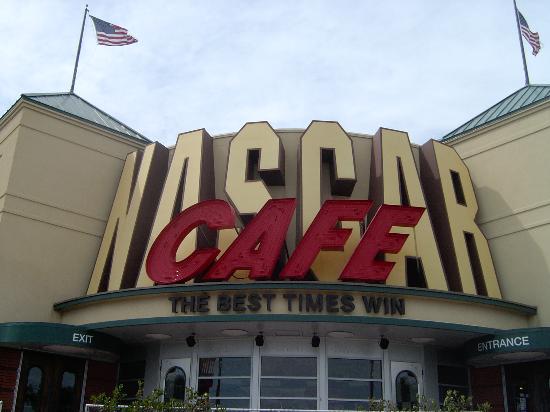 NASCAR Cafe — "The Best Times Win." They didn't. Photo: TripAdvisor
It didn't last. The building became the Hollywood Wax Museum in June 2014.
Dagwood's Deli on Mr. Joe White Avenue — 37 years of sandwiches and the former downtown pub in the back room — closed for good on August 30, 2025. The building is now Big Dave's Chews & Brews.
The Shopping
Myrtle Square Mall (1975–mid-2000s)
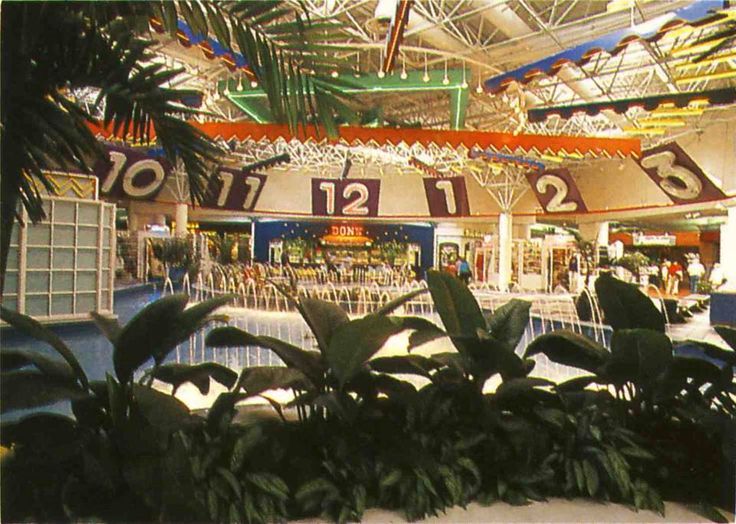 "Meet me under the clock" — the universal meeting point for every family. Photo: Myrtle Beach archives
Before Broadway at the Beach. Before Coastal Grand. Before Tanger Outlets. There was Myrtle Square Mall — 442,965 square feet of retail in the center of town. Belk. Sears. The Magic Cavern Arcade. And the clock — a massive lighted clock claimed to be the world's largest, and the universal meeting point for every family. "Meet me under the clock" was the text message of its era.
The mall closed by the mid-2000s and was demolished in 2006. Today it's a vacant lot that occasionally hosts the Run to the Sun Car Show.
Waccamaw Pottery
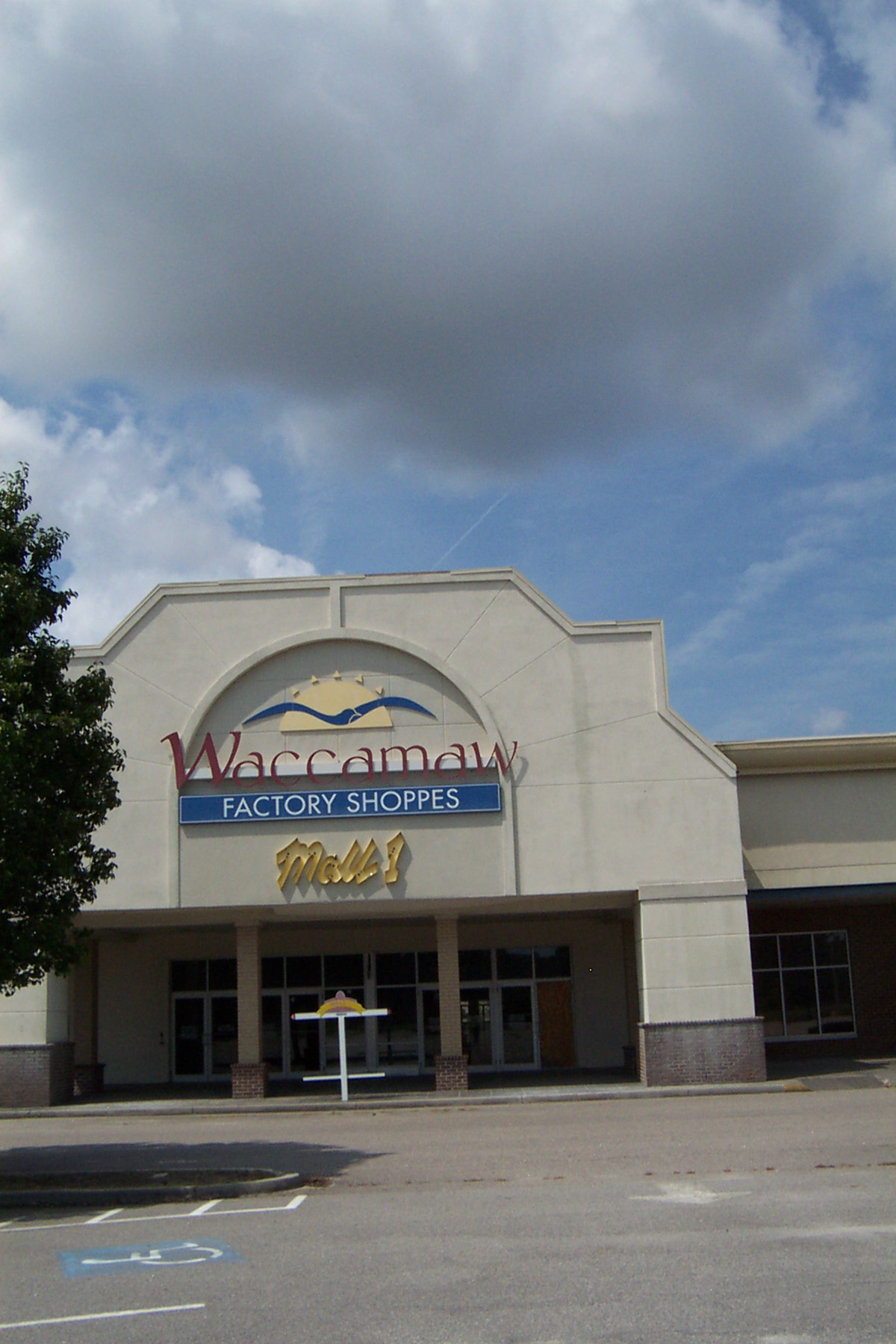 Waccamaw Factory Shoppes — 750,000 square feet of outlet shopping. People drove from three states away. Photo: ColumbiaClosings.com
A 750,000-square-foot outlet complex off US 501 — at its peak, the nation's third-largest outlet center with 100+ stores. People drove from three states away for the ceramics. The parent company went out of business in 2001. Part of the land was later used for Hard Rock Park — which also failed.
The Big Bets That Failed
Hard Rock Park (2008–2009)
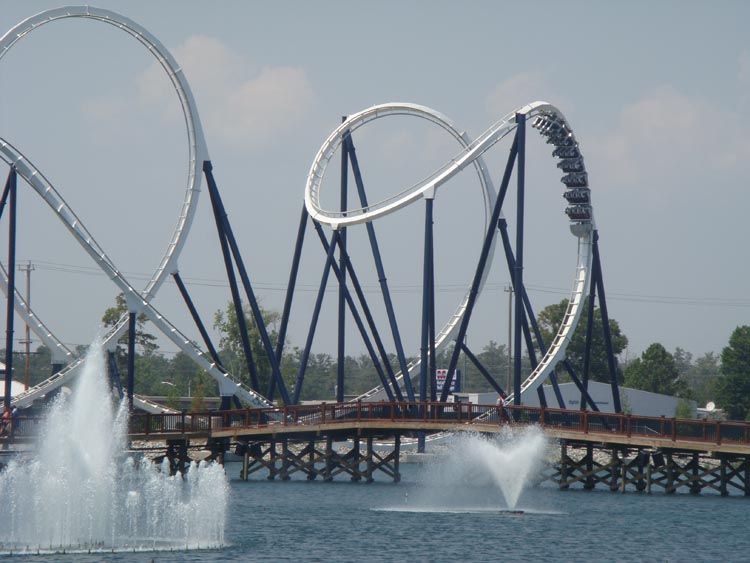 Led Zeppelin: The Ride — 155 feet tall, $400 million park, one season. Photo: Theme Park Review
Hard Rock Park opened in April 2008 — a $400 million rock-and-roll themed amusement park on US 501. The Led Zeppelin coaster stood 155 feet tall. The Nights in White Satin dark ride was genuinely creative. Tickets were $50 a person, and the park opened at the start of the Great Recession.
It went bankrupt by September 2008. Reopened as Freestyle Music Park in May 2009, closed for good after that season. The site sat abandoned so long that NBC used it for the post-apocalyptic drama Revolution (Season 1, Episode 4, October 2012). The Led Zeppelin coaster was shipped to Sun World's Dragon Park in Vietnam. The rest was demolished in February 2022. A FedEx distribution center is being built on the site.
Wild Water & Wheels (1990s–2022)
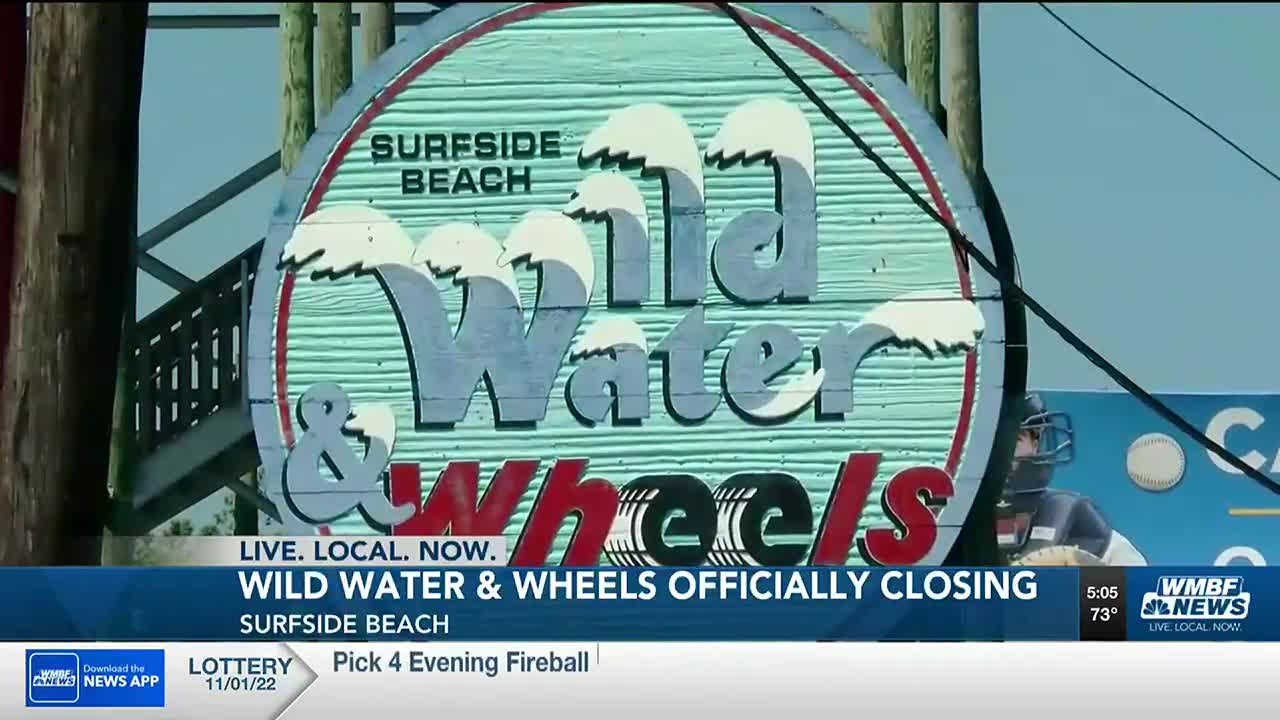 Wild Water & Wheels — 32 years of summer fun. Photo: WMBF News
Thirty-two years of water slides in Surfside Beach, gone in November 2022. The 16-acre site is still in limbo — plans for apartments were withdrawn, a gas station proposal came and went, and as of 2026 the land is being subdivided into 9 lots for individual sale.
What Survived
Not everything from the old Myrtle Beach is gone:
Peaches Corner — Hot dogs and burgers since 1937. Almost 90 years on the same corner.
Gay Dolphin Gift Cove — The massive gift shop on Ocean Boulevard since the 1940s. Still selling seashells and airbrushed t-shirts.
The Bowery — Where Alabama played for years before they made it big. Still pouring drinks. Still booking live music.
Family Kingdom — The last oceanfront amusement park on the Grand Strand. Still running rides when the Pavilion couldn't.
What Replaced It All
Market Common — Built on the old Air Force Base (closed March 31, 1993, costing the area 800 civilian jobs). Now an upscale district with boutique shopping and restaurants.
Broadway at the Beach — The entertainment complex that absorbed the nightlife and shopping energy. Where Mother Fletcher's used to be.
The SkyWheel — Opened 2011. The 187-foot observation wheel is now the landmark the Pavilion used to be.
The Boardwalk — The 1.2-mile oceanfront boardwalk that opened in 2010. It's genuinely good. But it's not the Pavilion.
The Beach Is Different Now
The Myrtle Beach of 2026 is cleaner, more organized, and more expensive than the Myrtle Beach of 1996. The rough edges got sanded off. The weird little spots got replaced by chains.
But if you were there — if you cruised the Boulevard with your windows down, if you rode The Hurricane with your hands up, if you danced at Mother Fletcher's until they kicked you out, if you burned through a roll of quarters at the Pavilion arcade — then you know something the new visitors don't.
You know what this place felt like when it was wild.
*Know a place we missed? Have a photo from the old days? Send it to us — we're building the most complete archive of Myrtle Beach memories on the internet.*of they didn't want their favorite spot getting ruined. Can't say I blame them.
Here's what the talkative ones kept naming. No rankings, no scores — just the places locals couldn't help but mention.
The name that kept coming up: Socastee Station
If there was a consensus pick, this was it. Socastee Station came up more than any other spot in the whole thread — it was simply the default answer, the place that came to mind first. Nobody named a specific dish; they didn't have to. When that many different people land on the same place unprompted, that's the headline. If you only try one place off this list, make it this one.
Local favorites
These are the names that kept surfacing again and again:
Victoria's Country Kitchen — Down on 3rd Ave S in Myrtle Beach, serving country cooking that one commenter called "the absolute best." This is meat-and-three territory, done right.
Judy Boone's — Over in Murrells Inlet. "Excellent — we are there often," said one local, which is about as strong an endorsement as it gets. Regulars don't lie"="article-image-credit">Photo: exploregrandstrandsc.com
Bistro 90 — An upscale pick that locals clearly don't think of as a tourist spot, which is exactly why it belongs here.
Bimini's Oyster Bar & Seafood Market — Oysters and seafood with a market attached. When locals want seafood without the strip-mall markup, this is where they go.