Riptide Survival Guide: How to Spot Them and What to Do If You Get Caught
Learn how to spot rip currents, escape safely, and help others. Essential beach safety knowledge for Myrtle Beach swimmers.
Category: guide | Published: 2026-08-09
Riptide Survival Guide: How to Spot Them and What to Do If You Get Caught
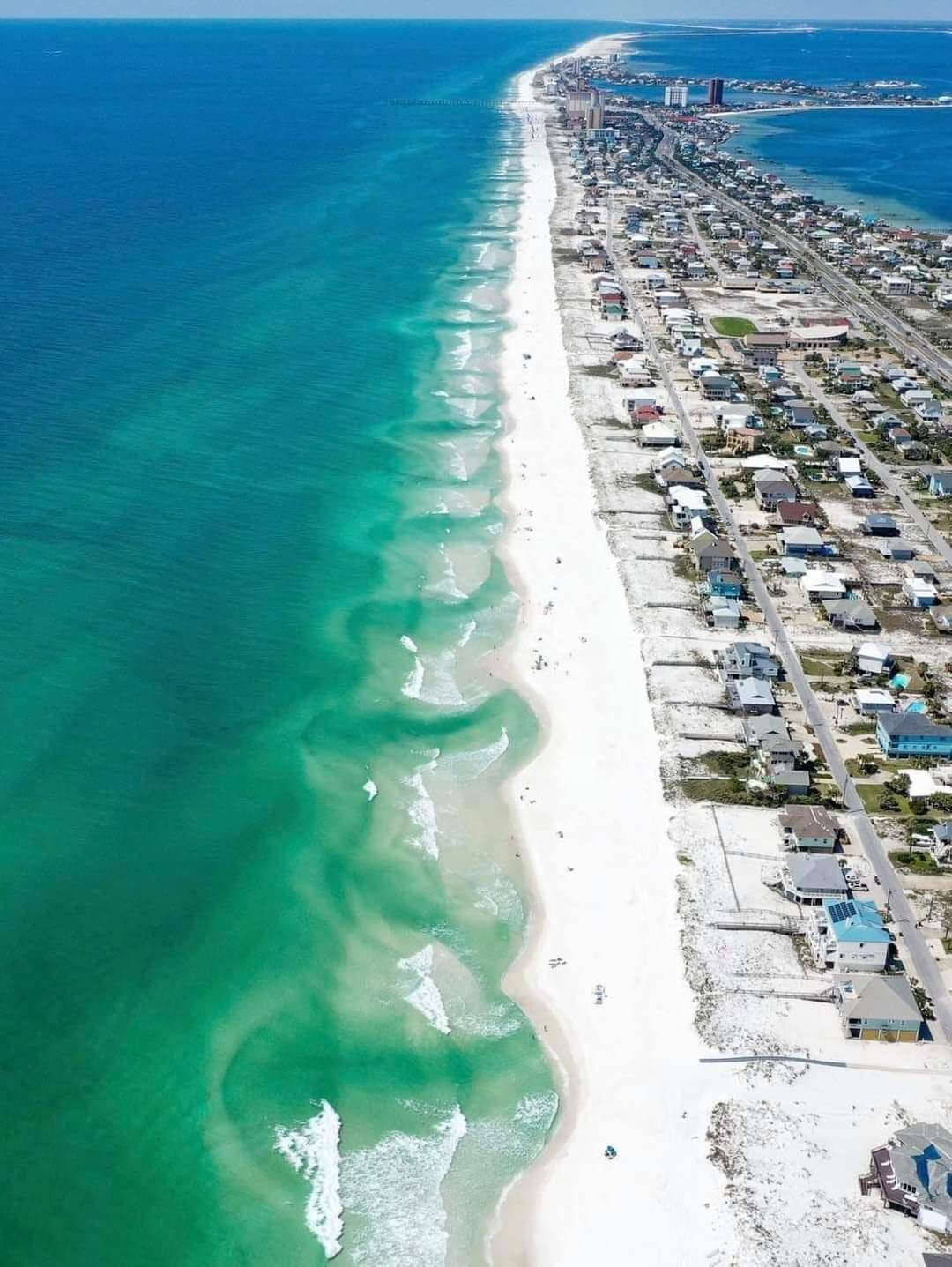
A Myrtle Beach beach day should be fun, not reckless. The ocean can look calm while a powerful current is quietly moving water away from shore.
That current is usually called a riptide. The more accurate term is rip current. It is a narrow, fast-moving channel of water pulling away from the beach through the breaking waves. Rip currents do not usually pull swimmers underwater. They pull swimmers away from shore, where panic and exhaustion create the real danger.
The fix is simple, but only if you know it before you need it:
Do not fight the current. Float, swim parallel to shore, then angle back to the beach.
This is one of the most important Myrtle Beach travel tips you will ever get.
What Is a Rip Current?
A rip current forms when water pushed toward the beach by breaking waves finds a channel back out to sea. These channels commonly develop around breaks in sandbars and near structures such as piers, jetties, and inlets.
A rip current can:
- Move faster than a strong swimmer can swim directly against it.
- Change location as waves and sandbars shift.
- Appear during sunny weather and relatively small surf.
- Weaken beyond the breaking waves.
- Pull swimmers away from shore without taking them underwater.
The National Weather Service says rip currents average roughly 1 to 2 feet per second, but some have been measured much faster. In the coastal Carolinas, rip currents are the area's leading weather-related beach killer. The risk is real even when the sky is blue.
How to Spot a Rip Current From the Beach
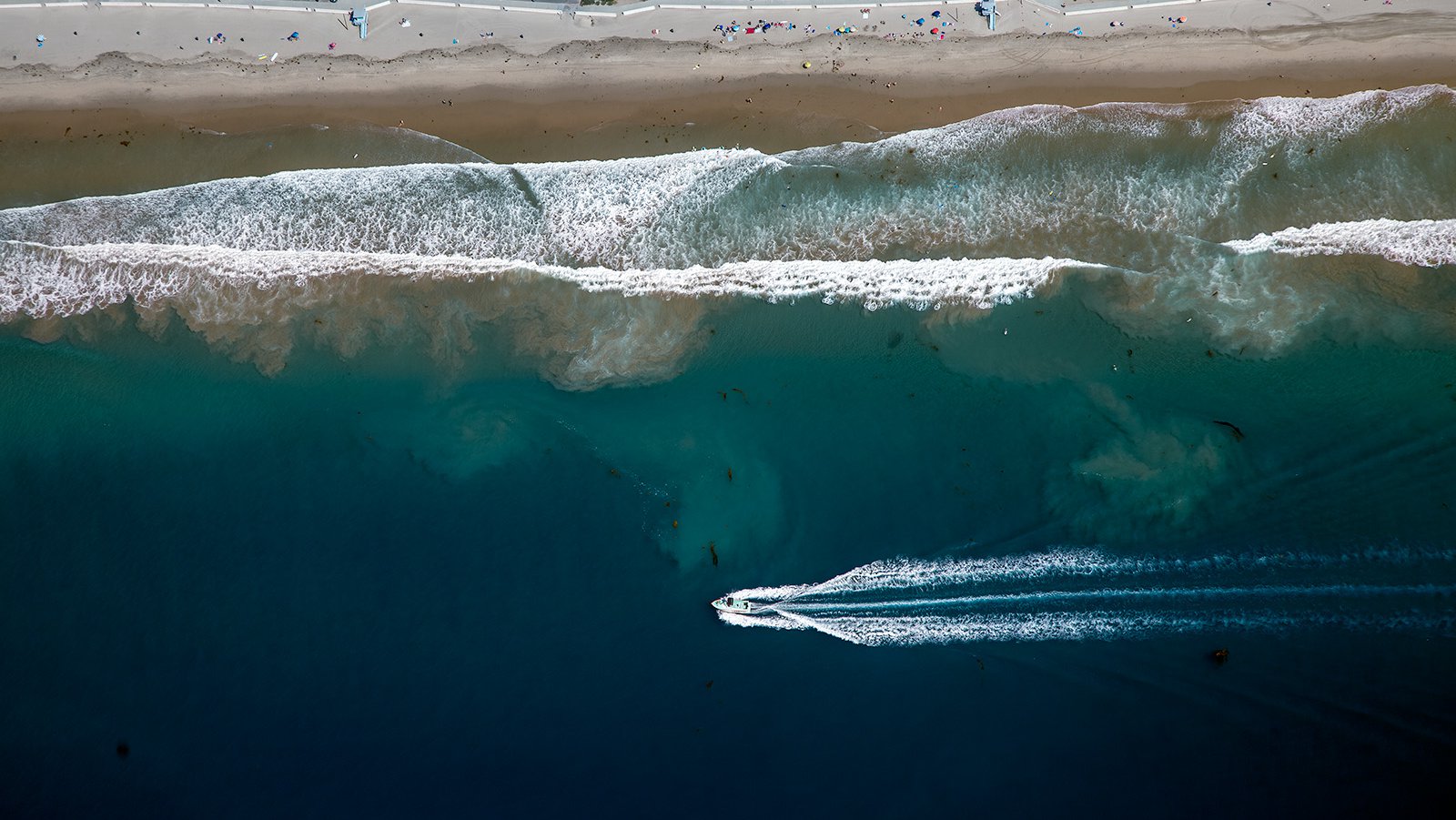
Before entering the water, stop and watch the surf for at least a minute. Do not judge the ocean from one glance. Conditions change, and rip currents can be difficult to see from eye level.
Look for these warning signs:
- A gap in the breaking waves. Waves break normally on both sides, but one narrow section looks unusually calm or flat.
- Discolored water. The current may carry sand offshore, creating a darker, murky, or sandy-colored channel.
- Foam moving steadily seaward. Foam, seaweed, or floating debris may form a line heading away from the beach.
- Choppy or turbulent water. Some rip currents look rough rather than calm.
- A channel of water that seems to flow straight out.
- Swimmers struggling in one specific area. If people are not making progress toward shore, do not enter that section.
A rip current is often easier to see from a slightly elevated position, such as a boardwalk, dune crossover, or beach access. Ask a lifeguard if you are unsure. That is not overcautious. It is the smart move.
More Guides for a Safer, Smarter Visit
Before you hit the beach, read 6 Things You Need to Know Before Coming to Myrtle Beach in 2026 — parking rules, golf cart laws, beach canopy regulations, and more.
If you're visiting with kids, our 15 Creative Myrtle Beach Family Activities guide has hot-weather alternatives that don't involve sitting in the sun all day.
Browse Things To Do for the full Grand Strand activity directory.
Choose your beach access with official sources
Access planning and water safety are two different jobs. Before heading out, use the government-source Myrtle Beach Beach Access hub, North Myrtle Beach Beach Access hub, or Surfside Beach hub to find named public locations. South-end visitors can use the Garden City hub and Pawleys & Litchfield hub; the Horry County hub covers the county-record set. Those pages are not live conditions reports—check official conditions and beach guidance before entering the water. of they didn't want their favorite spot getting ruined. Can't say I blame them.
Here's what the talkative ones kept naming. No rankings, no scores — just the places locals couldn't help but mention.
The name that kept coming up: Socastee Station
If there was a consensus pick, this was it. Socastee Station came up more than any other spot in the whole thread — it was simply the default answer, the place that came to mind first. Nobody named a specific dish; they didn't have to. When that many different people land on the same place unprompted, that's the headline. If you only try one place off this list, make it this one.
Local favorites
These are the names that kept surfacing again and again:
Victoria's Country Kitchen — Down on 3rd Ave S in Myrtle Beach, serving country cooking that one commenter called "the absolute best." This is meat-and-three territory, done right.
Judy Boone's — Over in Murrells Inlet. "Excellent — we are there often," said one local, which is about as strong an endorsement as it gets. Regulars don't lie"="article-image-credit">Photo: exploregrandstrandsc.com
Bistro 90 — An upscale pick that locals clearly don't think of as a tourist spot, which is exactly why it belongs here.
Bimini's Oyster Bar & Seafood Market — Oysters and seafood with a market attached. When locals want seafood without the strip-mall markup, this is where they go.