Winter Snowbirds in Myrtle Beach: How to Live Here for a Season, Not Just Visit
A practical, source-linked guide for the people who come south for a Myrtle Beach winter: how to settle into the coastal routine, understand seasonal parking and beach rules, and build a month-long stay around real local habits.
Category: guide | Published: 2026-09-10
A snowbird winter is not a long vacation. It is a temporary version of ordinary life.
That distinction matters in Myrtle Beach. A few days at the ocean can be planned around a single restaurant reservation or a weather window. A month—or several months—asks different questions. Where will you walk when the beach is quiet? Which errands are easier at ten in the morning? What does the parking rule actually cover? What happens when a cold front arrives, the sun comes back the next day, and you have nowhere urgent to be?
For the people who come down from colder northern states to spend late fall, winter, or early spring on the Grand Strand, the goal is not to cram every attraction into a week. It is to build a coastal routine that still works on a cloudy Tuesday. This guide is for that kind of stay.
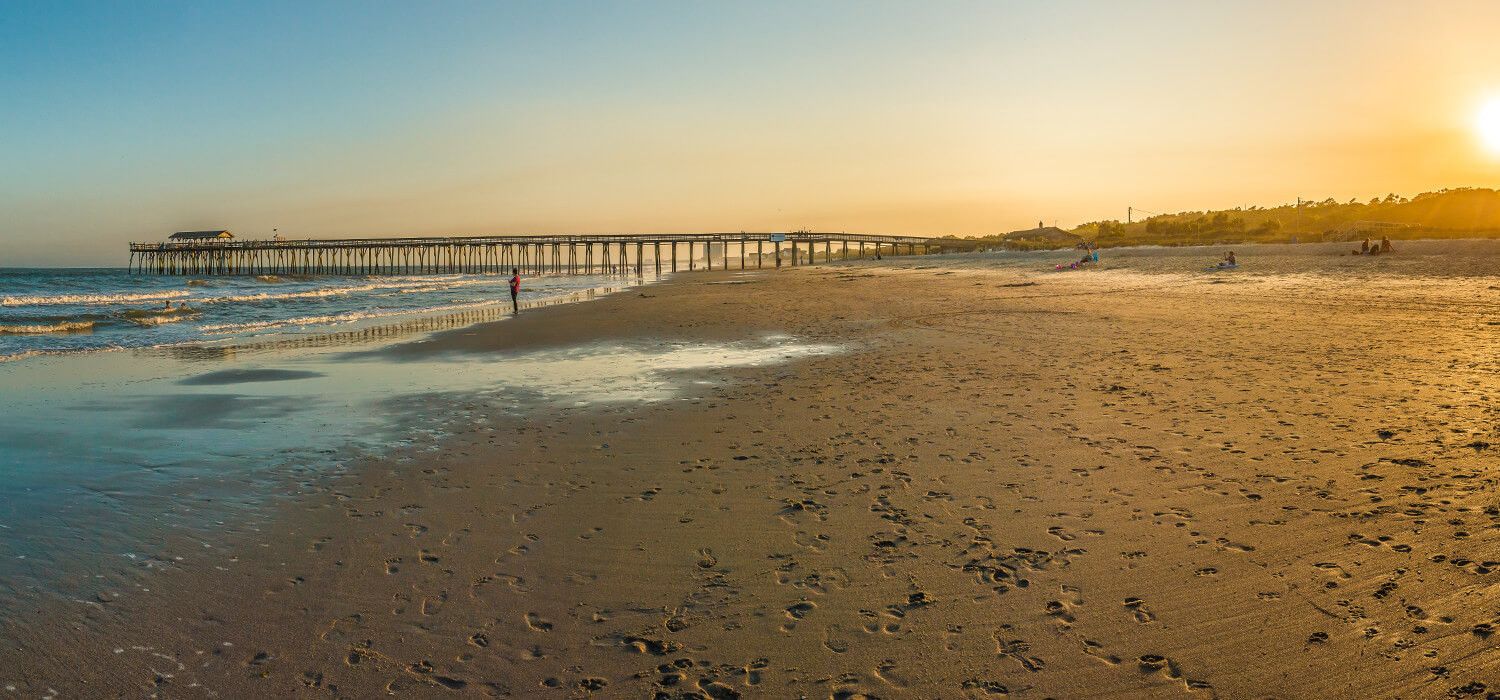
Photo: South Carolina State Parks, Myrtle Beach State Park official website.
Start by treating winter weather like a pattern, not a promise
The right way to plan a long winter stay is to leave room for variation. NOAA's 1991–2020 Climate Normals are 30-year averages, built to show what is typical over time—not a day-by-day forecast.NOAA NCEI Climate Normals That makes them useful for packing, setting expectations, and deciding what kind of routine you want. They are not a guarantee that every day will feel beach-ready.
That is actually part of the snowbird advantage. You have enough time to let a breezy day be a coffee-and-book day, a colder morning be a drive through the North Myrtle Beach or Murrells Inlet and Garden City side of the Strand, and the next clear afternoon be a beach walk. Short-term visitors often feel pressure to make every hour count. Long-stay visitors can let the coast set the pace.
The practical move is simple: bring layers, one genuinely warm outer layer, rain protection, and shoes that work for walks as well as errands. Do not build a winter month around a forecast screenshot. Keep the weather flexible and your calendar will be, too.
The real snowbird shift: use the city on regular days
The biggest change happens after your first week. You stop treating the ocean as the only thing to do and start noticing how the places around it work together. A morning walk can turn into a grocery run; a quiet lunch can become a reason to explore a neighborhood you would have driven past in July; a visit to a pier can be the whole plan for the afternoon.
Owner-supplied coastal photography reflects the side of the Strand that a long-stay visitor gets to see: less rush, more horizon, and time to notice the light change.
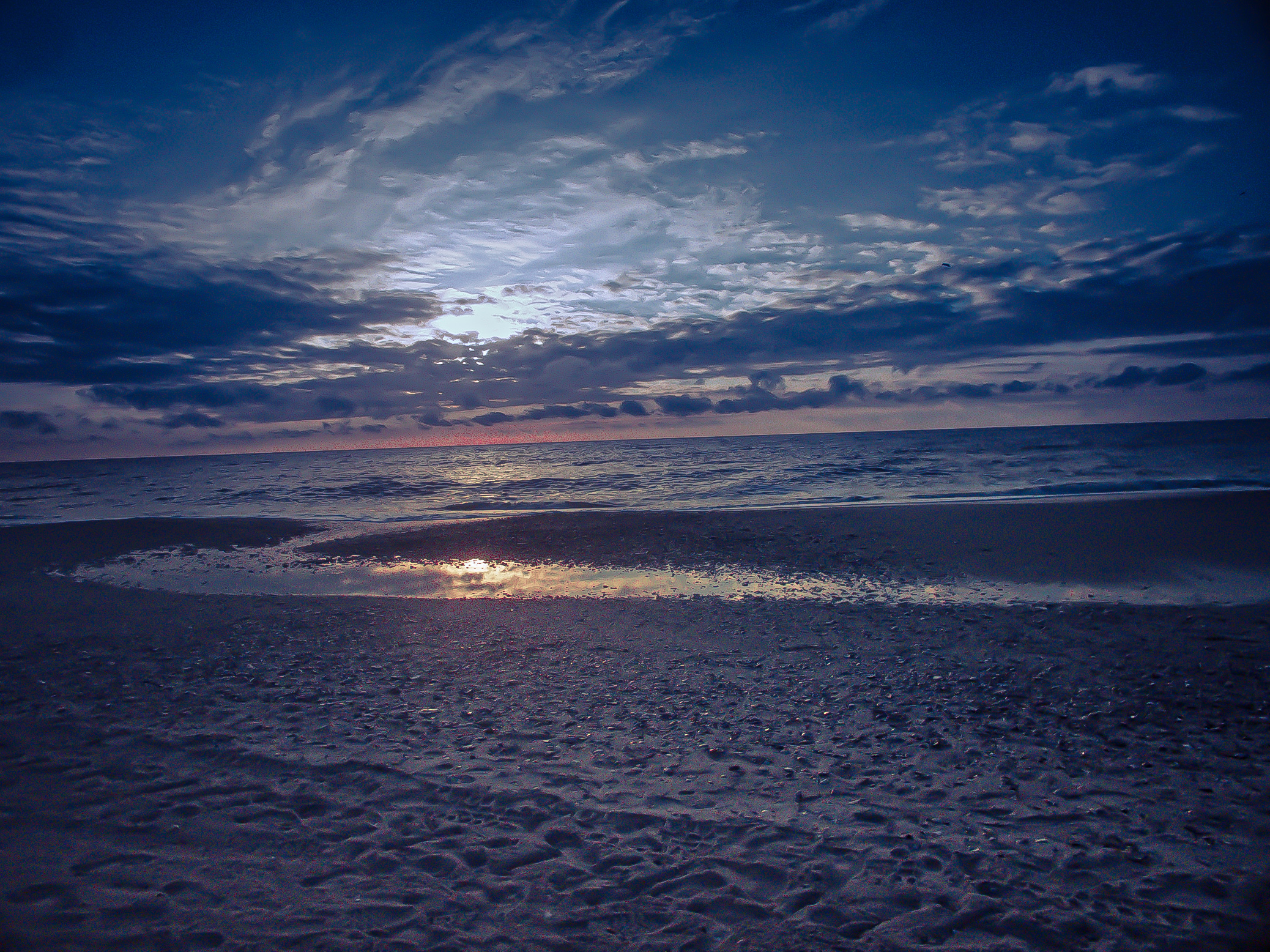
Photo: Owner-supplied Myrtle Beach Unlocked coastal photograph.
If you are based near the central oceanfront, make a habit of using the Myrtle Beach Central guide as a starting point, not a checklist. It can help you get your bearings around Ocean Boulevard, the Boardwalk, and the places one or two blocks away from the obvious tourist path. If you are farther north or south, use the zone guides the same way: learn your immediate area first, then make small, low-pressure excursions elsewhere.
That is how a winter stay starts to feel less like an extended hotel trip and more like a temporary hometown.
Parking: the rule that is helpful only if you know its limits
For snowbirds who spend time downtown and along the oceanfront, municipal seasonal parking is worth understanding accurately. The City of Myrtle Beach says that city-metered spaces in the defined downtown and oceanfront area are free from October 1 through February 28—or February 29 in a leap year.City of Myrtle Beach parking meters
The boundary matters. The city's page defines it as city-metered spaces from Sixth Avenue South to 21st Avenue North, west to Kings Highway. This is not a statement that every place to park is free. It does not turn private lots, the Pavilion Parking Garage, or decal-only areas into free parking. Those details are exactly why it is better to read the city page before assuming a winter rule applies to a specific block.
For a long stay, the good habit is to learn a few dependable places to park near the parts of town you use most, rather than drive block-to-block chasing a space. The parking guide can help you organize that first round of scouting; the city page is the source to check before you rely on a seasonal municipal rule.
Build your winter around places that work without a reservation
State parks are valuable to a snowbird because they give the week some structure without requiring a big occasion. Myrtle Beach State Park says it is open daily from 6 a.m. to 8 p.m. from December through February. Its official page identifies one mile of undeveloped beach, an oceanfront maritime forest, a fishing pier, trails, and shoreline access.Myrtle Beach State Park
That does not mean every visit has to be an all-day plan. A park can be a forty-minute walk. It can be a place to read near the pier, fish, look for birds, or reset after a week that has become too indoor. The State Park's hours and any program or closure details can change, so check the official page before you go.
Huntington Beach State Park in Murrells Inlet offers a different kind of winter day: beach, trails, wildlife, and Atalaya in one place. The park says it is open daily from 6 a.m. to 6 p.m., with extended hours during Daylight Saving Time, and that Atalaya has its own daily schedule.Huntington Beach State Park Use the official page for current hours, trail information, and access notices—not an old vacation blog.
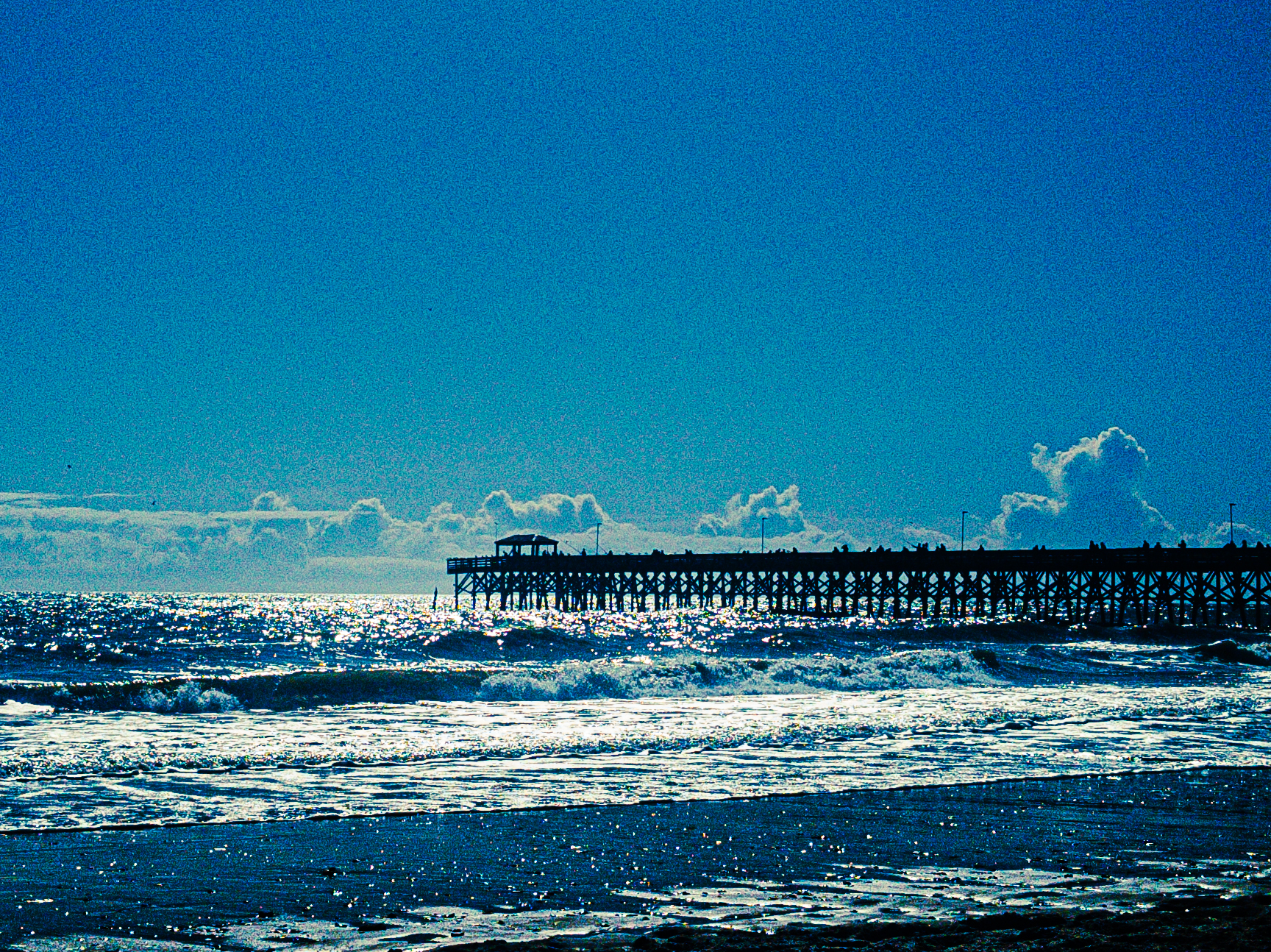
Photo: Owner-supplied Myrtle Beach Unlocked coastal photograph.
Snowbirds with dogs: know which government has the rule
Beach rules are not a single Grand Strand policy. They depend on where you are.
Within the City of Myrtle Beach, the city says dogs are allowed on the beach at any time from the day after Labor Day through April 30, provided they are on a leash no longer than seven feet.City of Myrtle Beach beach rules That is useful for a winter routine, but it should not be casually copied to every nearby municipality.
At Huntington Beach State Park, the official rule is different: dogs are welcome year-round when leashed no longer than six feet, but they are allowed only on the south end of the beach and are prohibited in buildings, Atalaya, and the north-end beach section from the north parking-lot access to the jetty.Huntington Beach State Park
The rule of thumb for a seasonal visitor is not “winter means dogs are allowed everywhere.” It is “check the jurisdiction before you go.” The Dogs & Beach Guide is a useful planning companion, but the relevant city, county, or park page should always have the last word.
Make room for the unplanned weekdays
The best part of staying all winter is that you do not need a headline event to have a good day. A snowbird can go for a walk after lunch, take the scenic route home from coffee, visit a park on a weekday, or decide at four o'clock that sunset is reason enough to go back to the water.
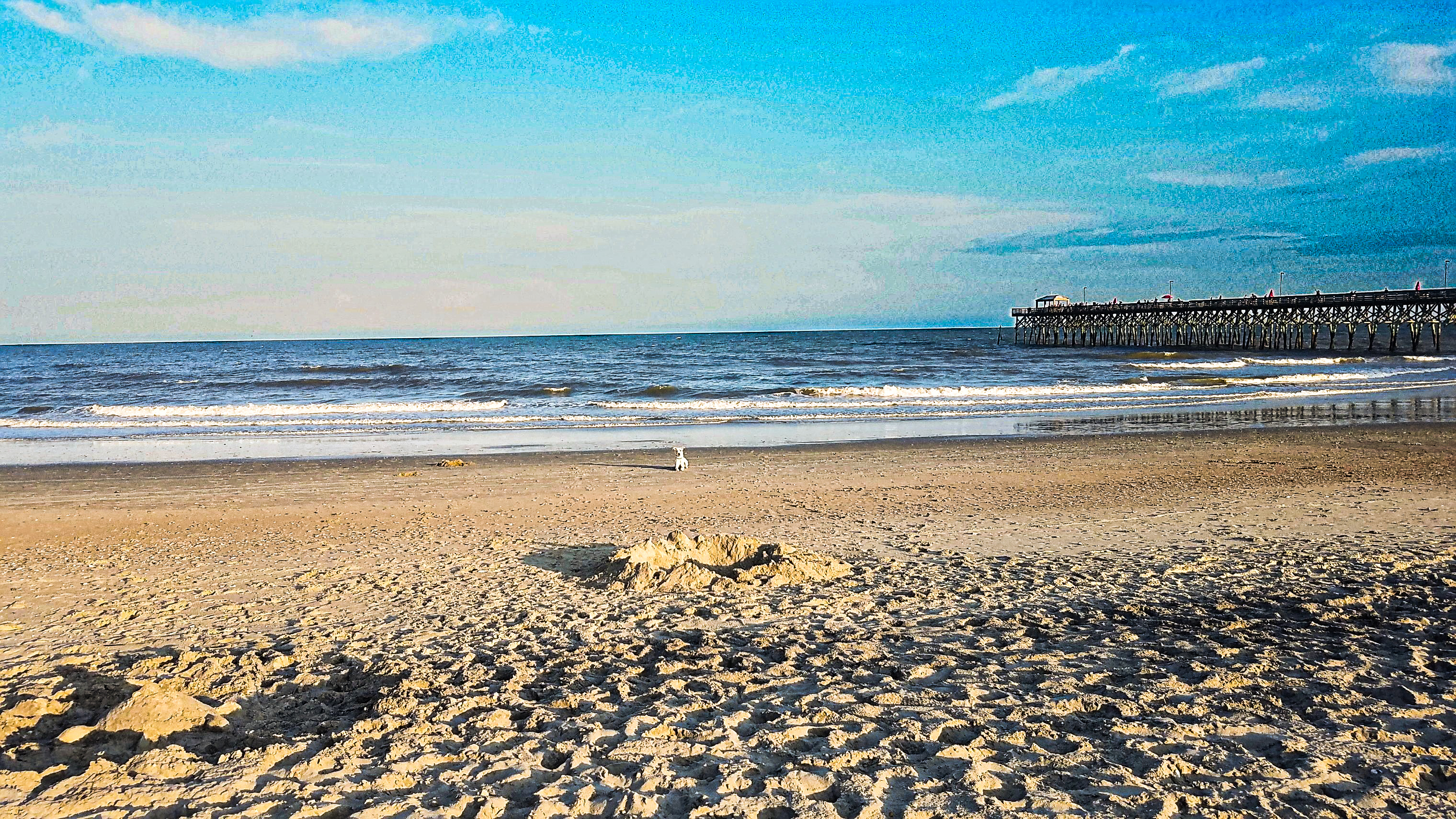
Photo: Owner-supplied Myrtle Beach Unlocked coastal photograph.
For the days when you do want something organized, check What's POPPIN close to the date. A seasonal guide should never pretend that a current calendar is permanent. For the rest, use the directories as practical tools: coffee shops for a work-or-read morning, breakfast for a local errand day, seafood for a planned dinner, and boat tours only after checking the operator directly for current seasonal availability.
The point is to create a small life here
The snowbird version of Myrtle Beach is not a countdown to summer. It is a chance to see how a beach town behaves when you have time. Some days are bright and open; some are gray, windy, and better suited to a long lunch or an afternoon drive. That variation is not a flaw in the winter experience. It is what turns a stay into a season.
Come prepared to learn your block, your parking options, your local rules, and your favorite stretch of sand. Let the weather move the schedule when it needs to. Keep official sources handy for the rules that change. If you do that, a winter in Myrtle Beach can feel less like waiting for a vacation and more like borrowing a coastal life for a while.
Sources
- NOAA NCEI — U.S. Climate Normals
- City of Myrtle Beach — Parking Meters & Non-Resident Decal Options
- Myrtle Beach State Park — South Carolina State Parks
- Huntington Beach State Park — South Carolina State Parks
- City of Myrtle Beach — Beach dog access
- Horry County — About Our Beachesof they didn't want their favorite spot getting ruined. Can't say I blame them.
Here's what the talkative ones kept naming. No rankings, no scores — just the places locals couldn't help but mention.
The name that kept coming up: Socastee Station
If there was a consensus pick, this was it. Socastee Station came up more than any other spot in the whole thread — it was simply the default answer, the place that came to mind first. Nobody named a specific dish; they didn't have to. When that many different people land on the same place unprompted, that's the headline. If you only try one place off this list, make it this one.
Local favorites
These are the names that kept surfacing again and again:
Victoria's Country Kitchen — Down on 3rd Ave S in Myrtle Beach, serving country cooking that one commenter called "the absolute best." This is meat-and-three territory, done right.
Judy Boone's — Over in Murrells Inlet. "Excellent — we are there often," said one local, which is about as strong an endorsement as it gets. Regulars don't lie"="article-image-credit">Photo: exploregrandstrandsc.com
Bistro 90 — An upscale pick that locals clearly don't think of as a tourist spot, which is exactly why it belongs here.
Bimini's Oyster Bar & Seafood Market — Oysters and seafood with a market attached. When locals want seafood without the strip-mall markup, this is where they go.